Faculty Spotlight: Dr. Shiva Rezvan Inspires Future Counselors Through Experience
Contributed by: Shiva Rezvan, Ph.D., Associate Professor of Psychology and Internship Coordinator for the Master of Science in Clinical Counseling Program
I am an Associate Professor in the Psychology Department at Albertus Magnus College and the Internship Coordinator for the Master of Science in Clinical Counseling Program. My professional journey has taught me that there are endless possibilities in life. Sometimes the most meaningful growth begins when we acknowledge our uncertainty about what we truly want and accept that it is okay not to have all the answers.
I earned my bachelor’s degree in chemical engineering. After two years working in the field, I realized that although I valued the skills and knowledge I had gained, I wanted a career more directly focused on helping others and supporting personal growth. That realization led me to pursue a master’s degree in counseling, which became one of the most rewarding decisions of my life.
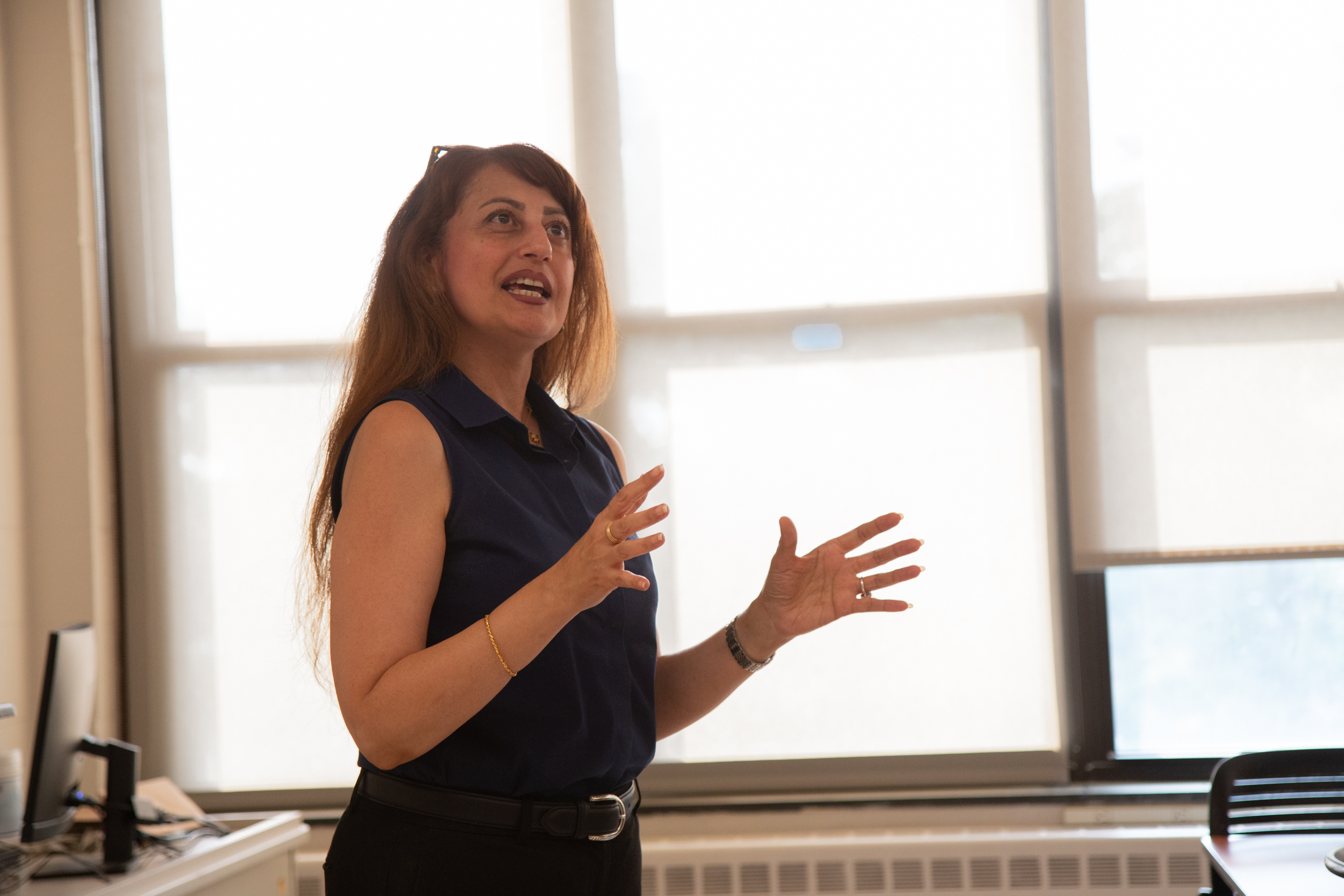
For students considering a career in counseling, I hope my journey reminds them that growth often begins with the courage to explore new possibilities. Many counselors I have met began their journeys with uncertainty, curiosity, and a desire to make a difference. Among the qualities that support success in counseling are a willingness to learn, connect with others, and believe in your ability to empower people and communities.
After earning my master’s degree in counseling, I continued my education and earned a Ph.D. in Counseling Psychology. For more than two decades, I had the privilege of working with children, adolescents, and adults. Each client has taught me valuable lessons about resilience, motivation, communication, and the power of human connection.
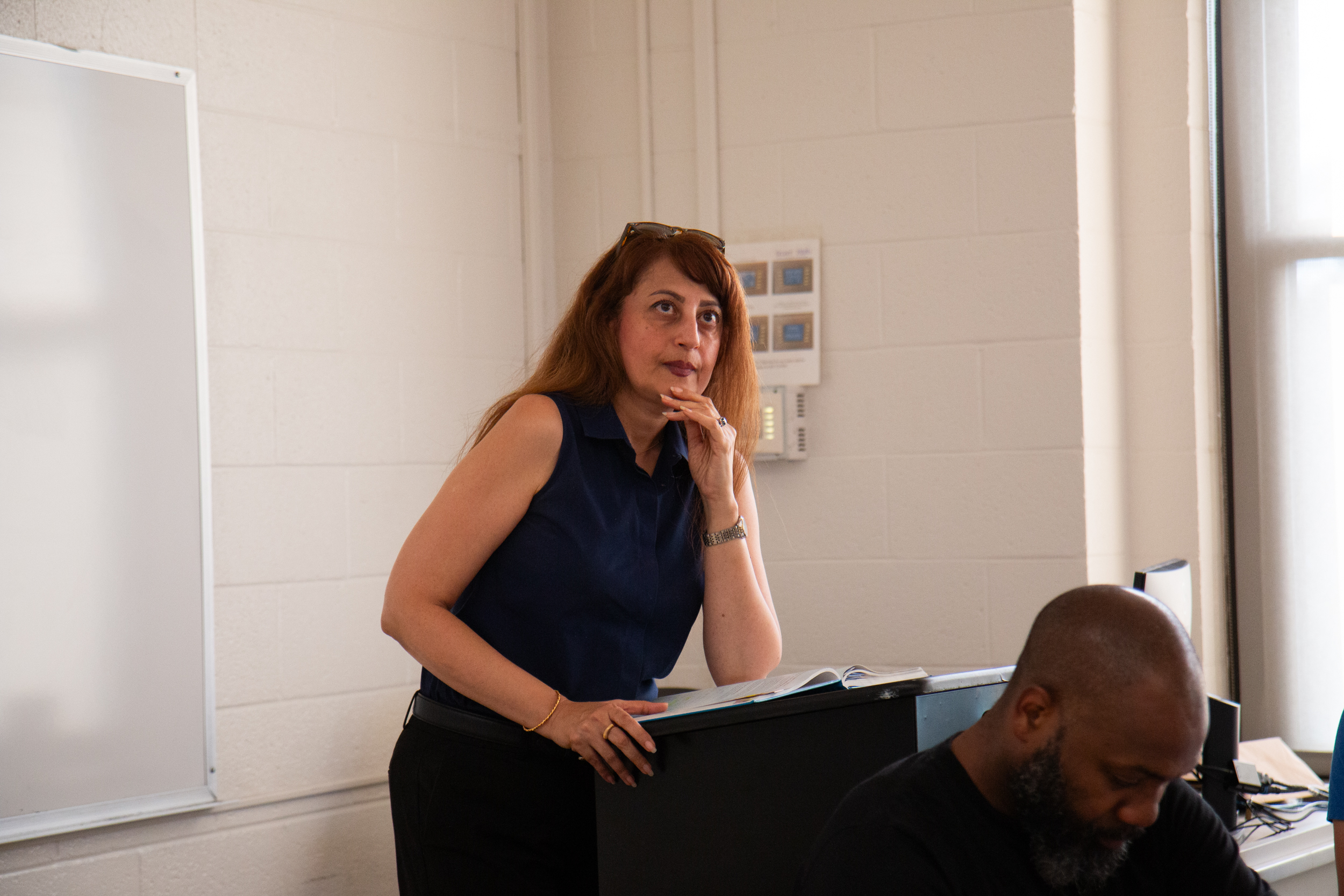
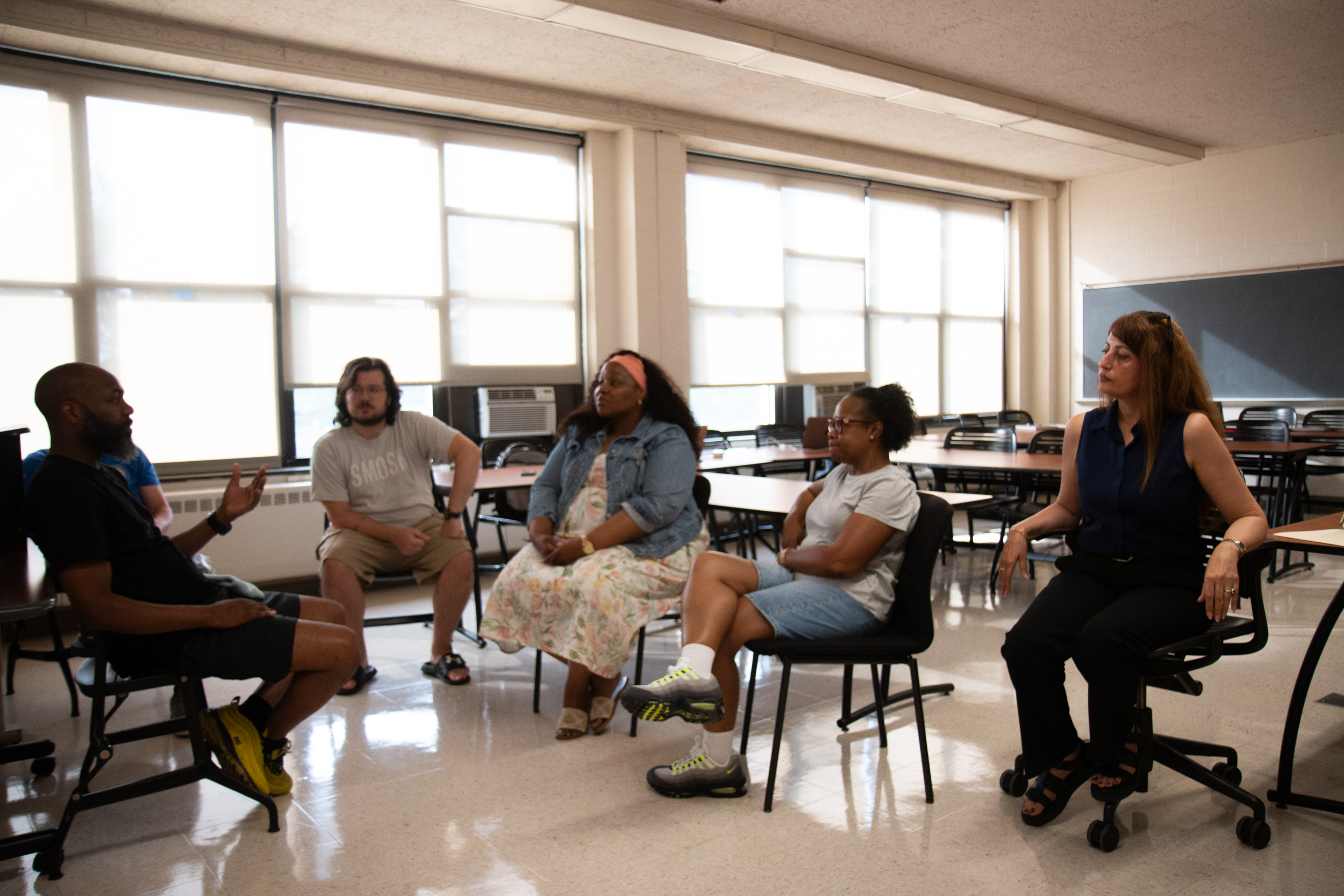
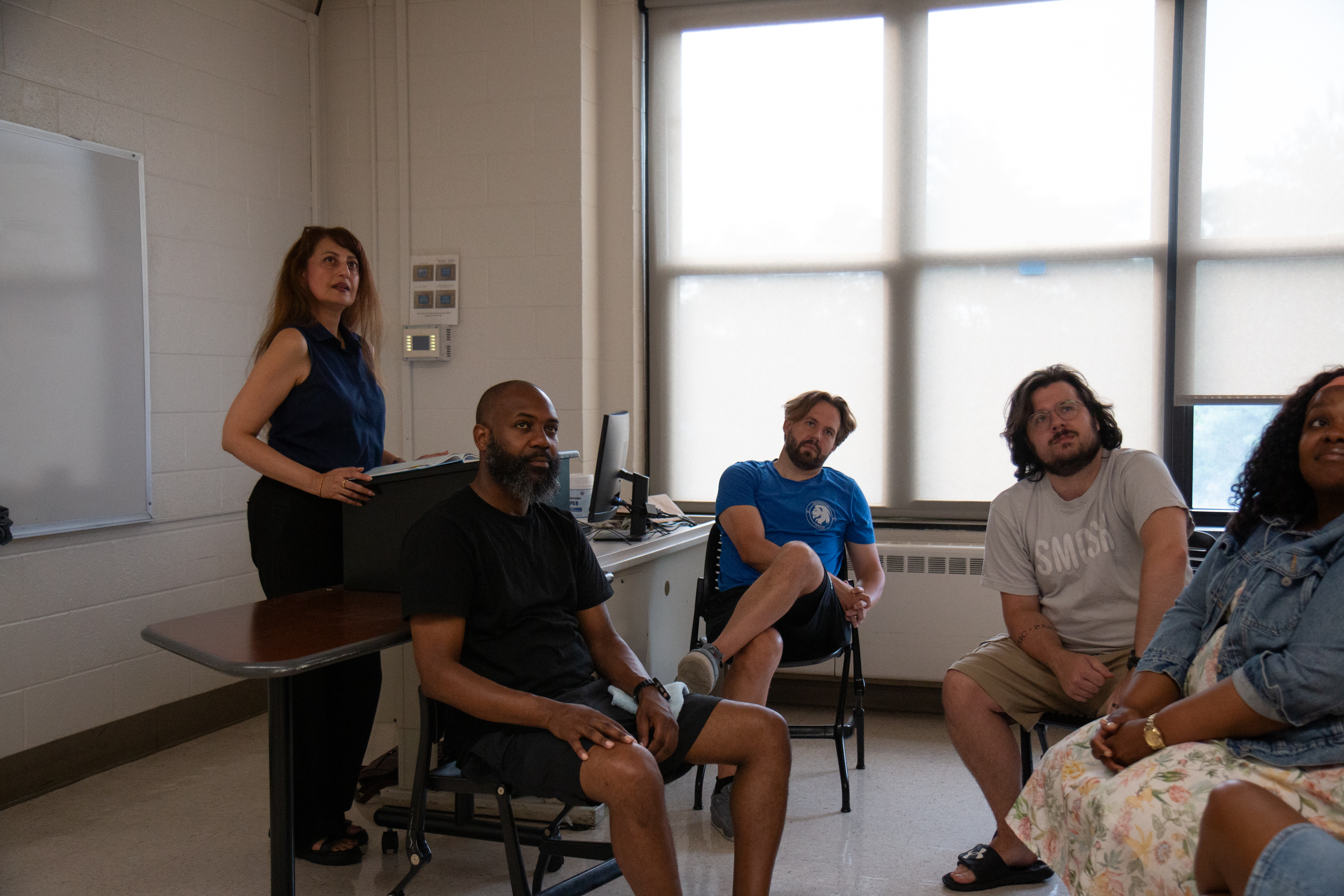
These experiences continue to shape my approach to teaching and supporting students, and it is a great joy to bring practical, real-life examples into the classroom while maintaining client confidentiality to enhance learning. Over the years, many students shared that connecting course concepts to real-life situations has made the material more meaningful, engaging, and applicable to them. Counseling draws on both theory and practice and requires ongoing self-awareness, critical thinking, flexibility, and the ability to connect with people from diverse backgrounds. In my classes, students and I engage in role-plays and case discussions based on situations counselors may realistically encounter in practice. Together, we explore therapeutic skills, ethical responsibilities, professional challenges, cultural awareness, automatic biases and assumptions, communication, personal growth, and many other areas that may arise when working with individuals or groups seeking support.
As an internship coordinator, I have the privilege of supporting students as they transition from learning about counseling to working with real clients. My years of clinical experience helped me guide students through the realities of the counseling profession, including navigating challenges, learning from site supervisors’ feedback, and developing professional confidence. They also enable me to collaborate effectively with site supervisors and help students connect classroom learning with field experiences. Watching students discover their strengths, build confidence, and recognize the impact they can have on others is incredibly rewarding. They learn that counseling is more than a profession. It is an opportunity to listen, empower, advocate, and make a meaningful difference in the lives of others and their community.