From St. Peter’s to the Hill: Reflections from Rome
Innovation and What It Means to Be Human
Contributed by: Marc M. Camille, Ed.D., President of Albertus Magnus College
Throughout our Rome Seminar experience, we spent considerable time looking toward the future, and in light of Pope Leo XIV issuing his Magnifica Humanitas encyclical just days before our departure, our experiences often addressed the rapidly evolving role of artificial intelligence. Yet some of our most compelling AI conversations ultimately evolved to something much more fundamental: what it means to be human.
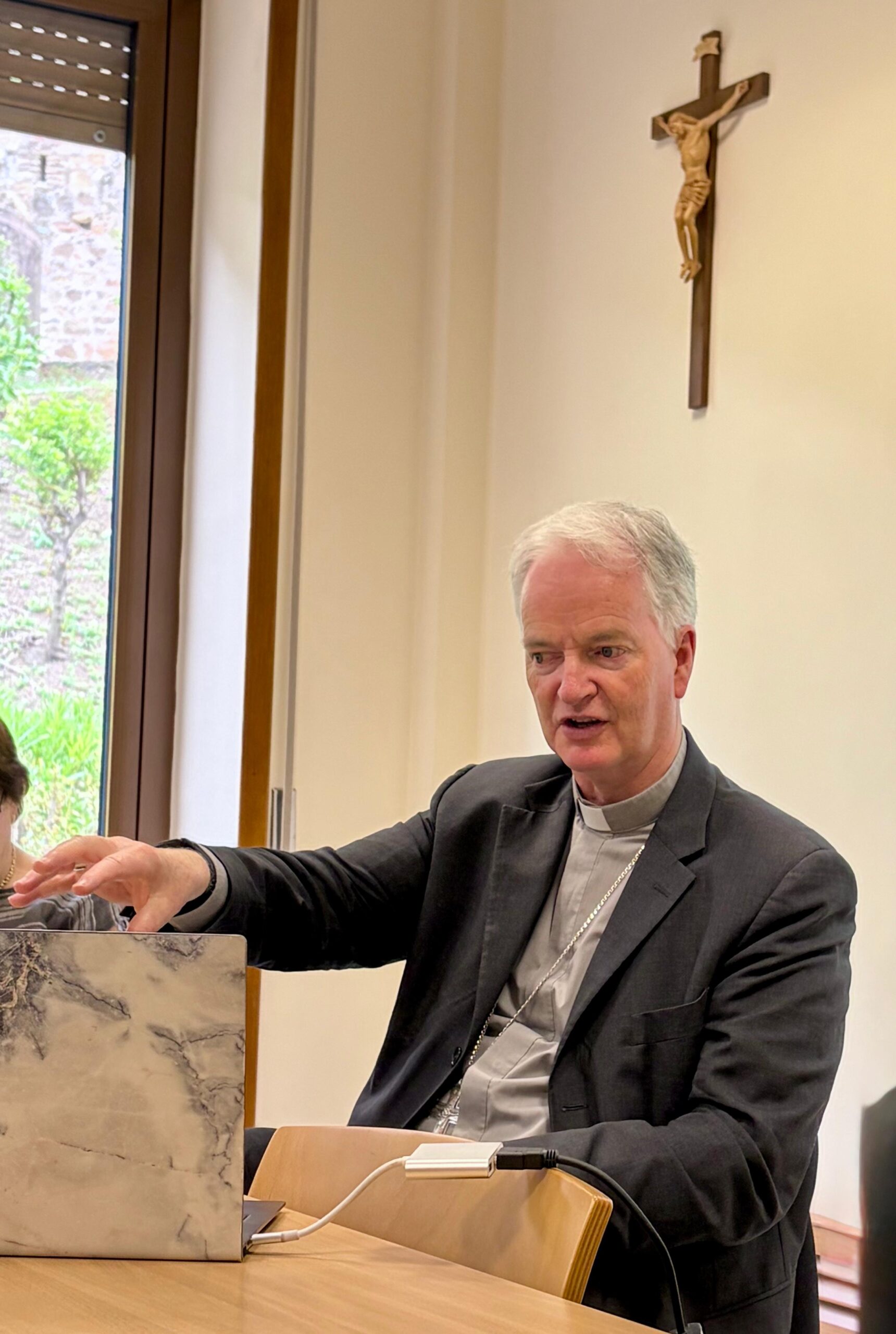
Bishop Paul Tighe, Secretary of the Culture Section of the Vatican’s Dicastery for Culture and Education and one of the Vatican’s leading voices on technology, suggested Pope Leo’s encyclical was an effort to “safeguard humanity at a time of AI,” grounded in the broader question of human flourishing. Archbishop Carlo Maria Polvani, Secretary of the Dicastery for Culture and Education, offered another thought that has stayed with me: “while AI will increasingly appear more human-like, humans can only truly be human with other humans.”
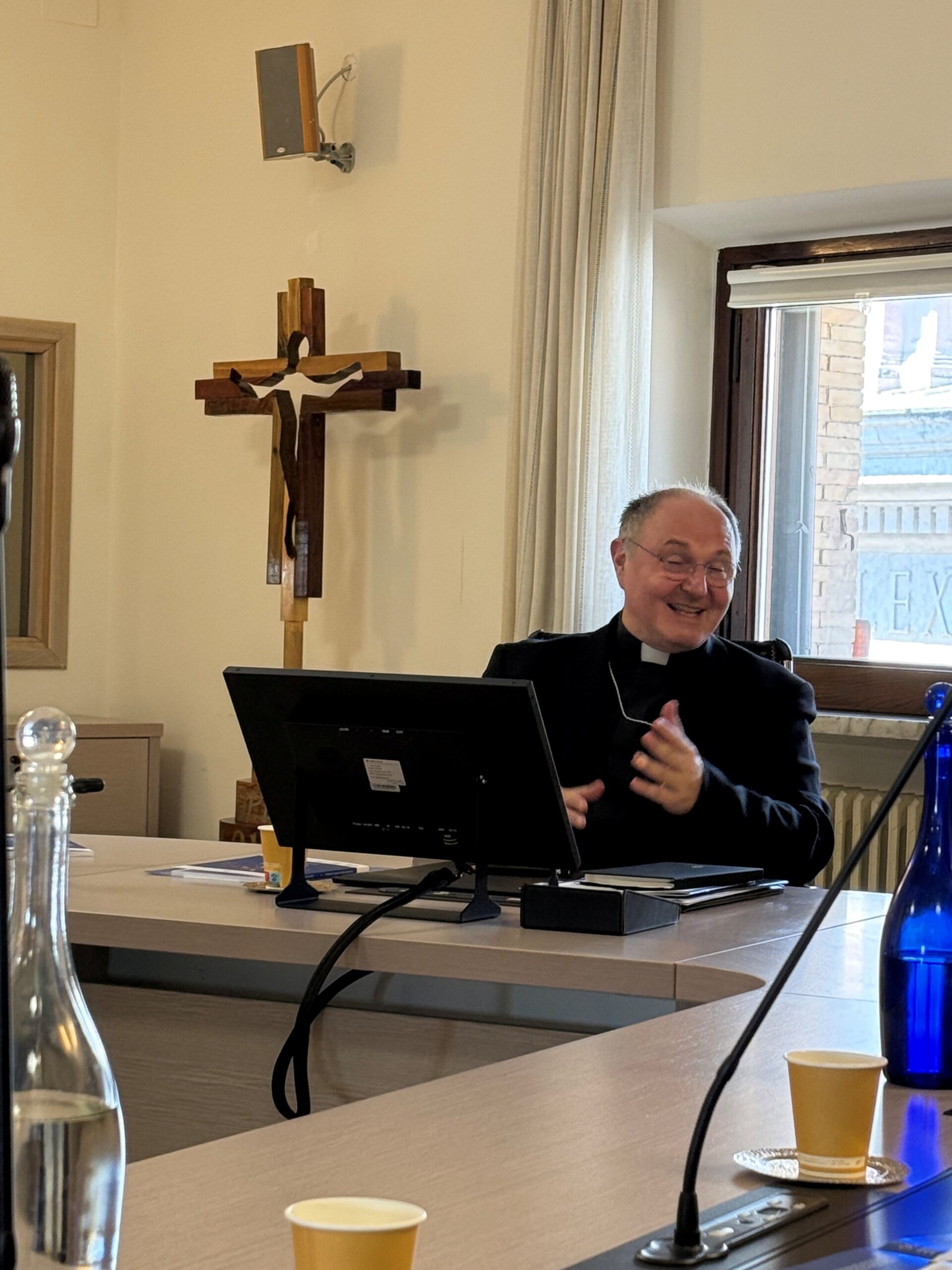
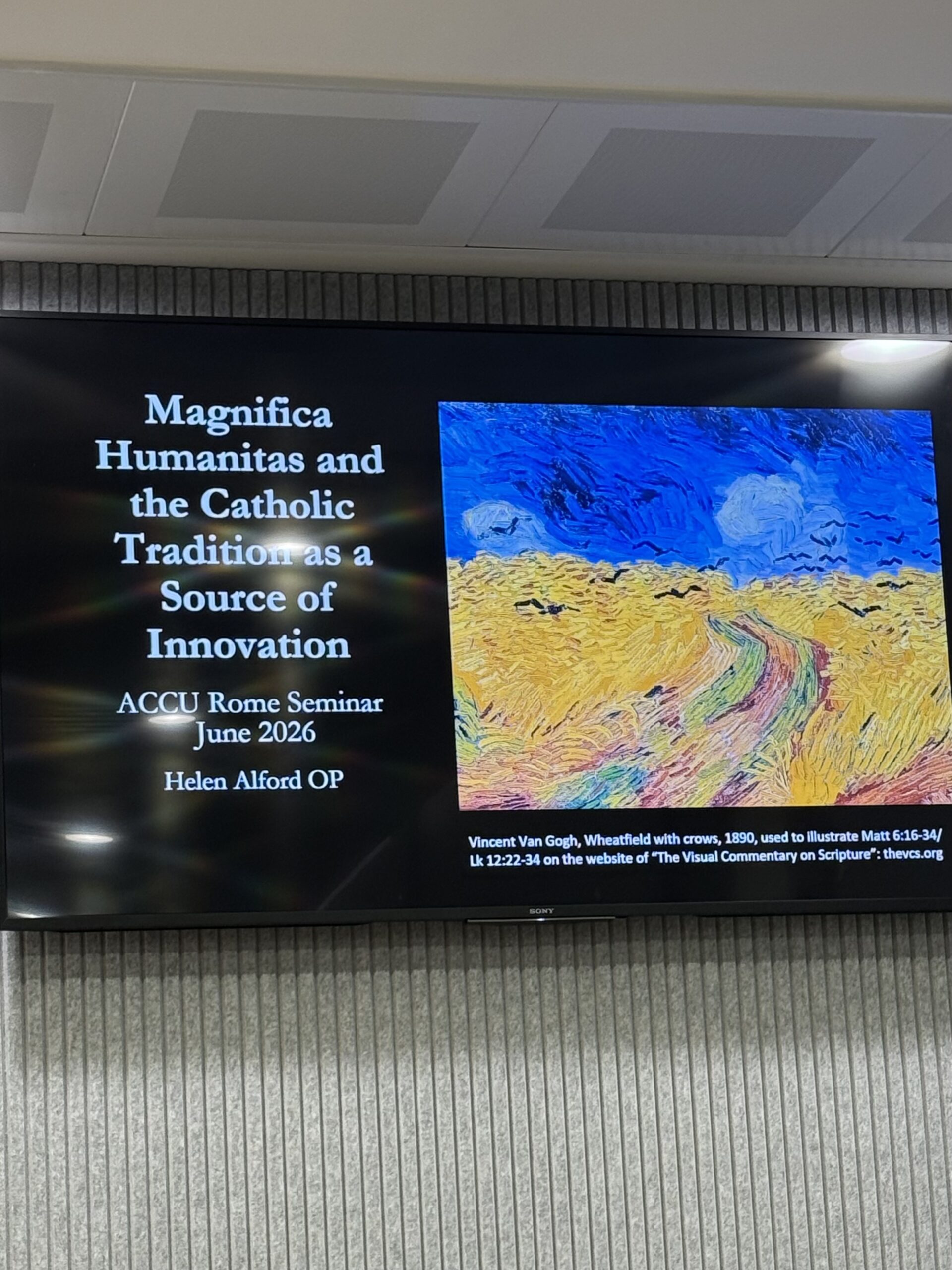
Dominican Sister Helen Alford, O.P., President of the Pontifical Academy of Social Sciences, addressed AI in the context of higher education. Her presentation explored the Catholic tradition as a source of innovation, and she called our attention to a particular challenge from Pope Leo’s encyclical to universities: to integrate knowledge and cultivate in students the ability “to connect and synthesize knowledge in order to grasp complexity” while developing the skills necessary to verify facts.
For me, these conversations reinforced that the question before us is not whether to embrace innovation, but how and toward what purpose. And this resonates deeply with the Albertus story, past and present. Innovation has been part of our DNA since the Dominican Sisters founded the College more than a century ago. Their willingness to respond boldly to the needs of their time remains part of the responsibility entrusted to us today.
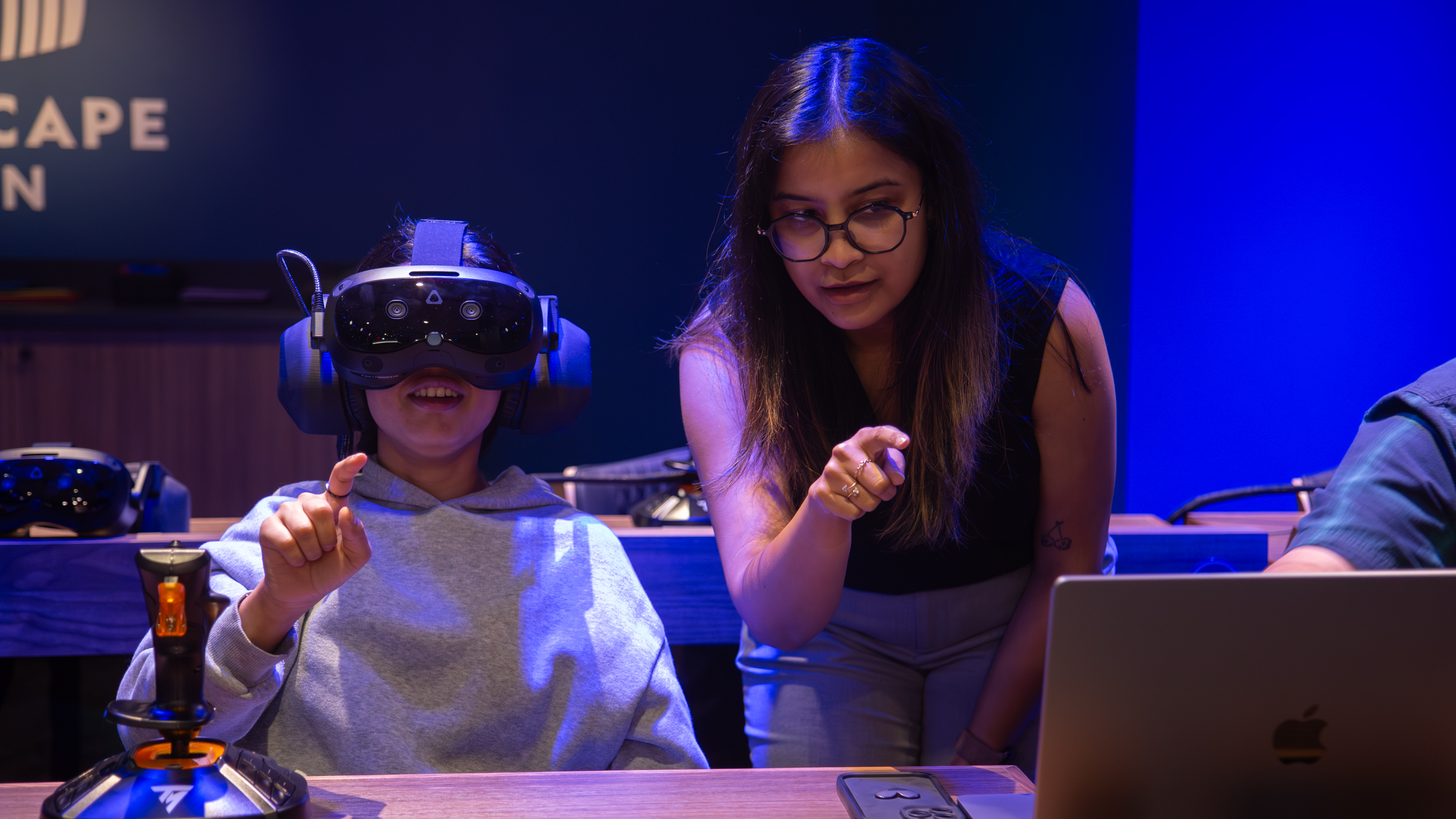
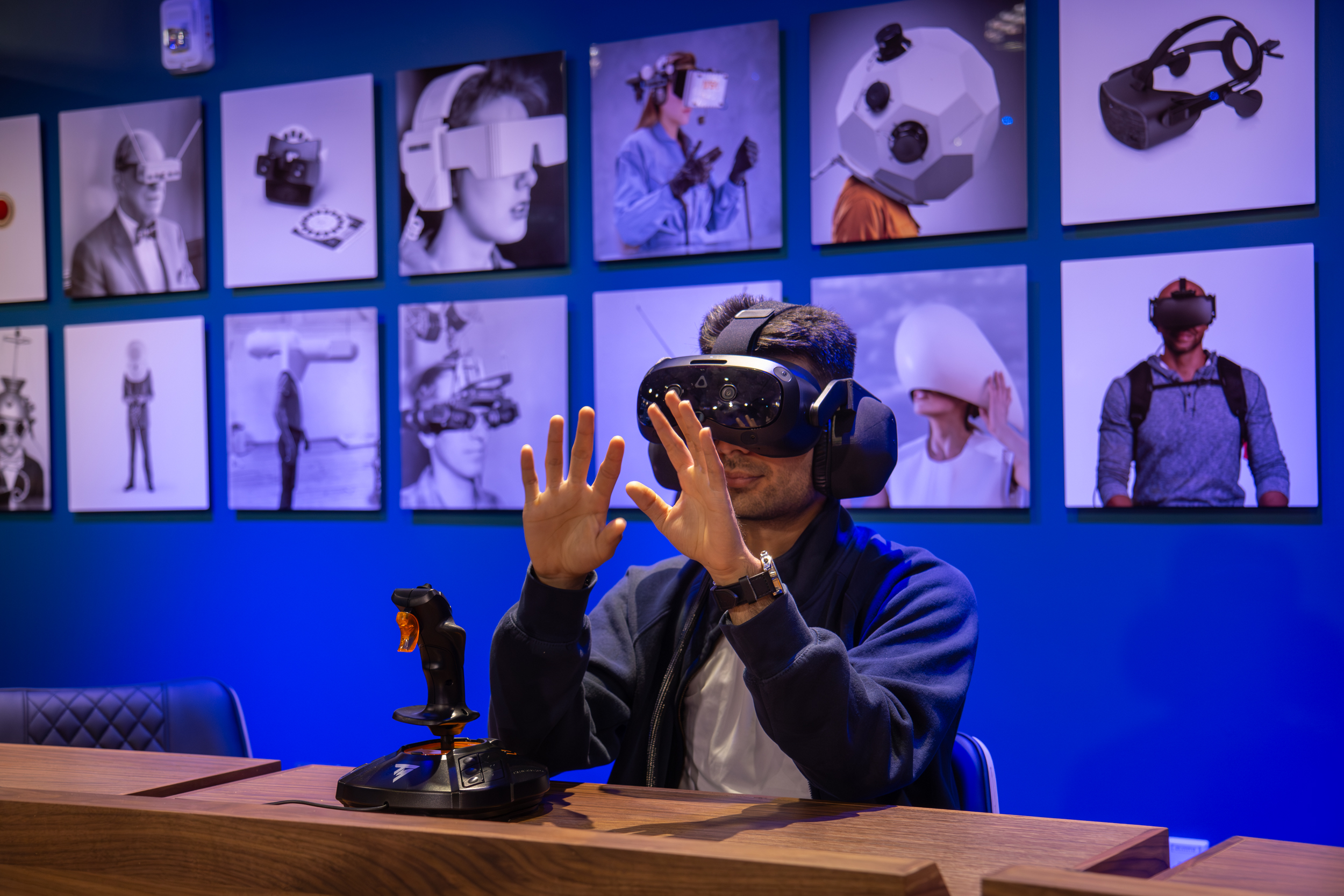
I believe our new Dreamscape Learn immersive learning initiative represents that same spirit. We are embracing powerful new technologies not to diminish the human dimension of education, but to deepen learning, awaken curiosity, invite exploration, and help students make connections across disciplines and experiences.
Pope Leo reminds us that technology itself is neither the enemy nor the answer. Human intelligence, conscience, and freedom must remain responsible for directing its use. And education, he argues, requires something technology cannot shortcut: time, questioning, engagement with others, and the gradual spark of understanding.
Perhaps that is both the challenge and the opportunity before us. Our Dominican tradition at Albertus does not ask us to place tradition and innovation in opposition. To the contrary, it calls us to pursue Veritas through both—ensuring that as technology becomes increasingly sophisticated, education becomes even more intentionally human.
Next Week: The Deep Power of Ordinary when Surrounded by Opulence