From St. Peter’s to the Hill: Reflections from Rome
Liturgy and Lessons from St. Peter’s
Contributed by: Marc M. Camille, Ed.D., President of Albertus Magnus College
Our world is filled with places whose history and beauty can overwhelm the senses. As a first-time visitor, I can now unequivocally say St. Peter’s Basilica is one of them. Its vastness, magnificence, historical significance, and spiritual symbolism are equally enlightening and inspiring. Yet for me, the most powerful experience of our visit occurred beneath its grandeur.
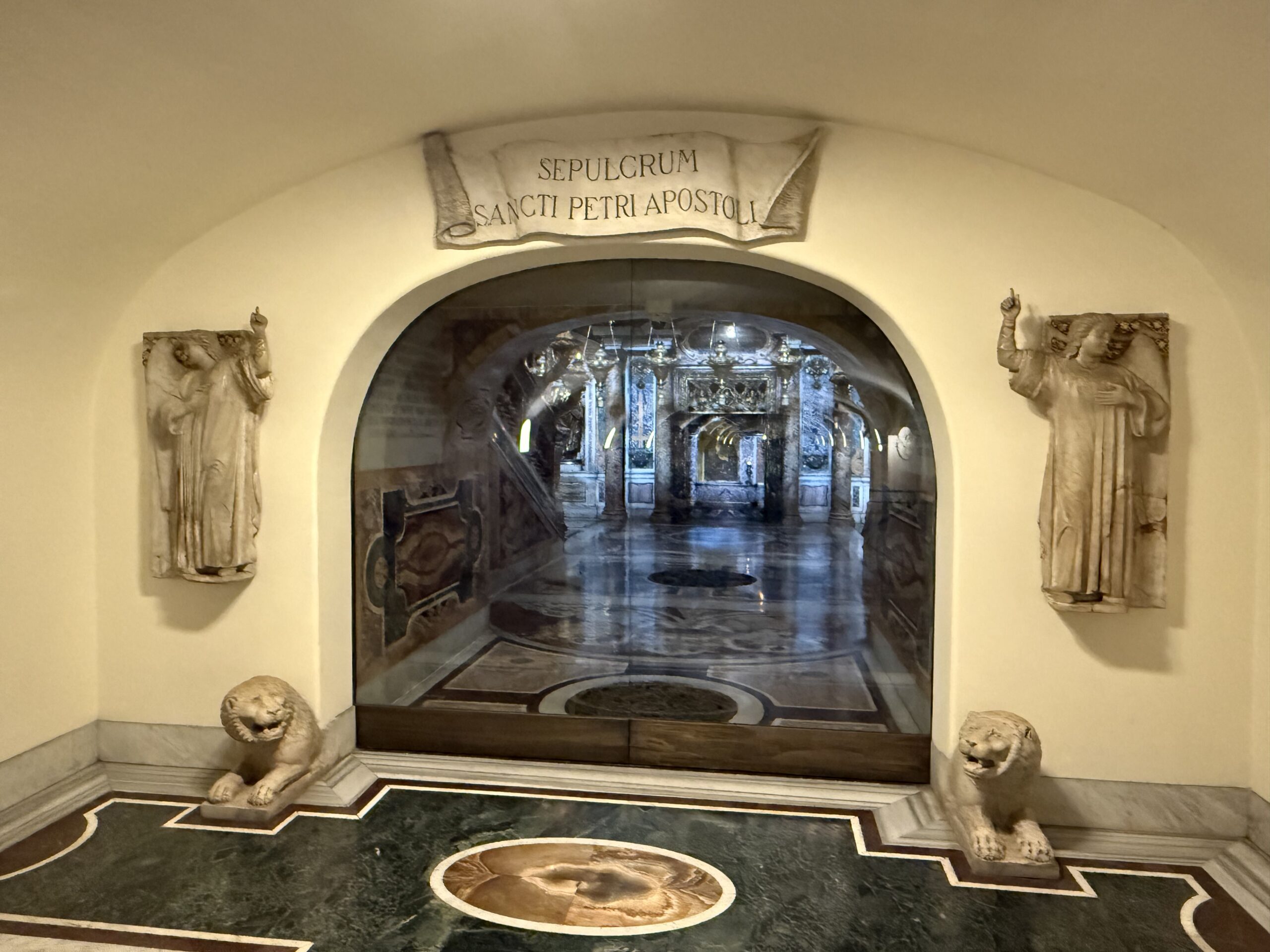
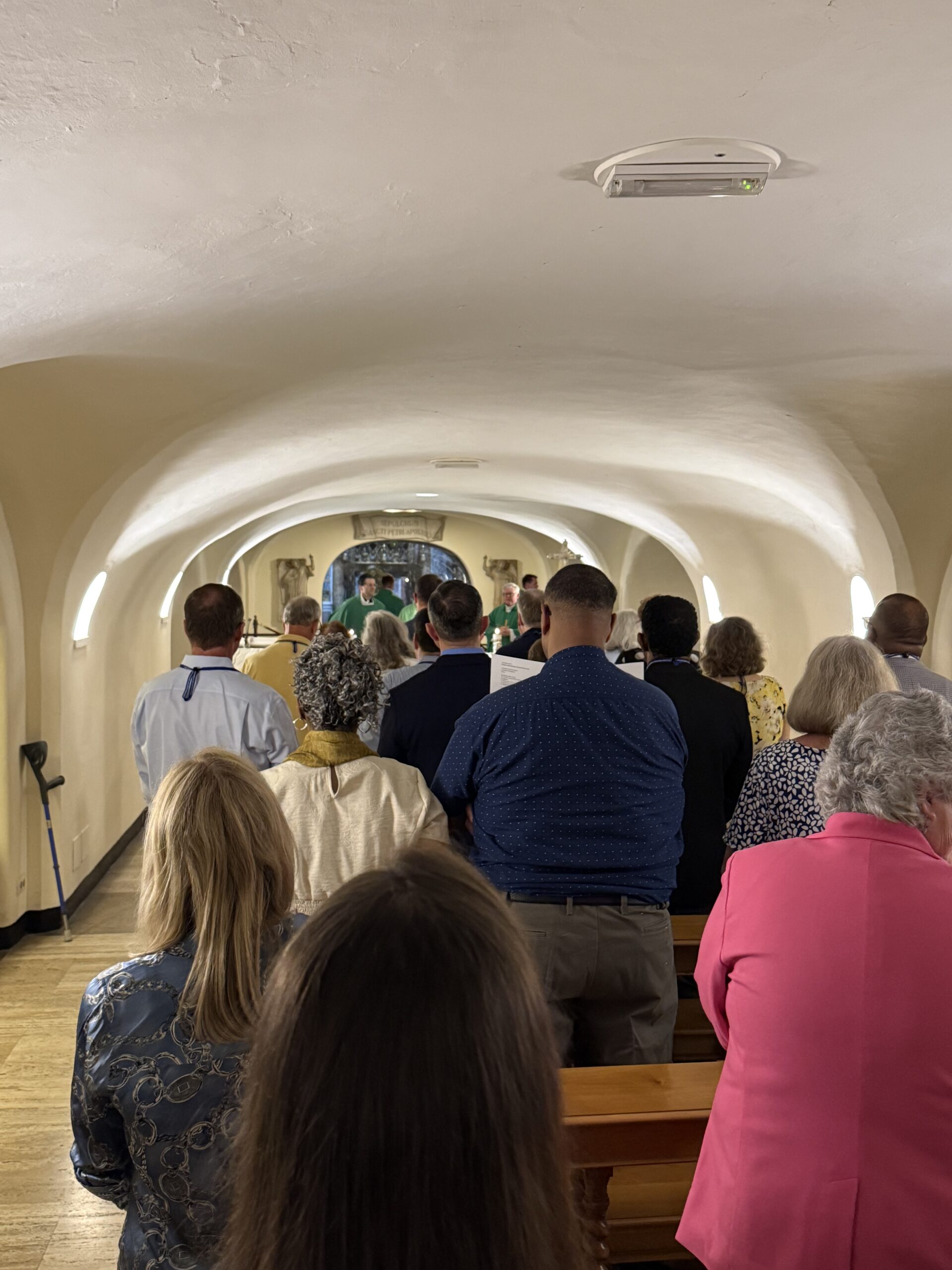
Our Rome Seminar group had the extraordinary privilege of celebrating a votive Mass at the tomb of St. Peter, located beneath the Basilica in the Vatican Grottoes. In the shadow of the Apostle upon whom Christ entrusted the building of His Church, gathering in prayer with Catholic college colleagues and sharing in Communion was humbling and deeply moving. In the silence after receiving Communion, surrounded by nearly two thousand years of Christian history, I reflected on the magnitude of faith and tradition—and how each generation inherits a responsibility to carry them forward. My thoughts naturally turned to the Albertus Centennial and the responsibility now entrusted to us as our second century begins.
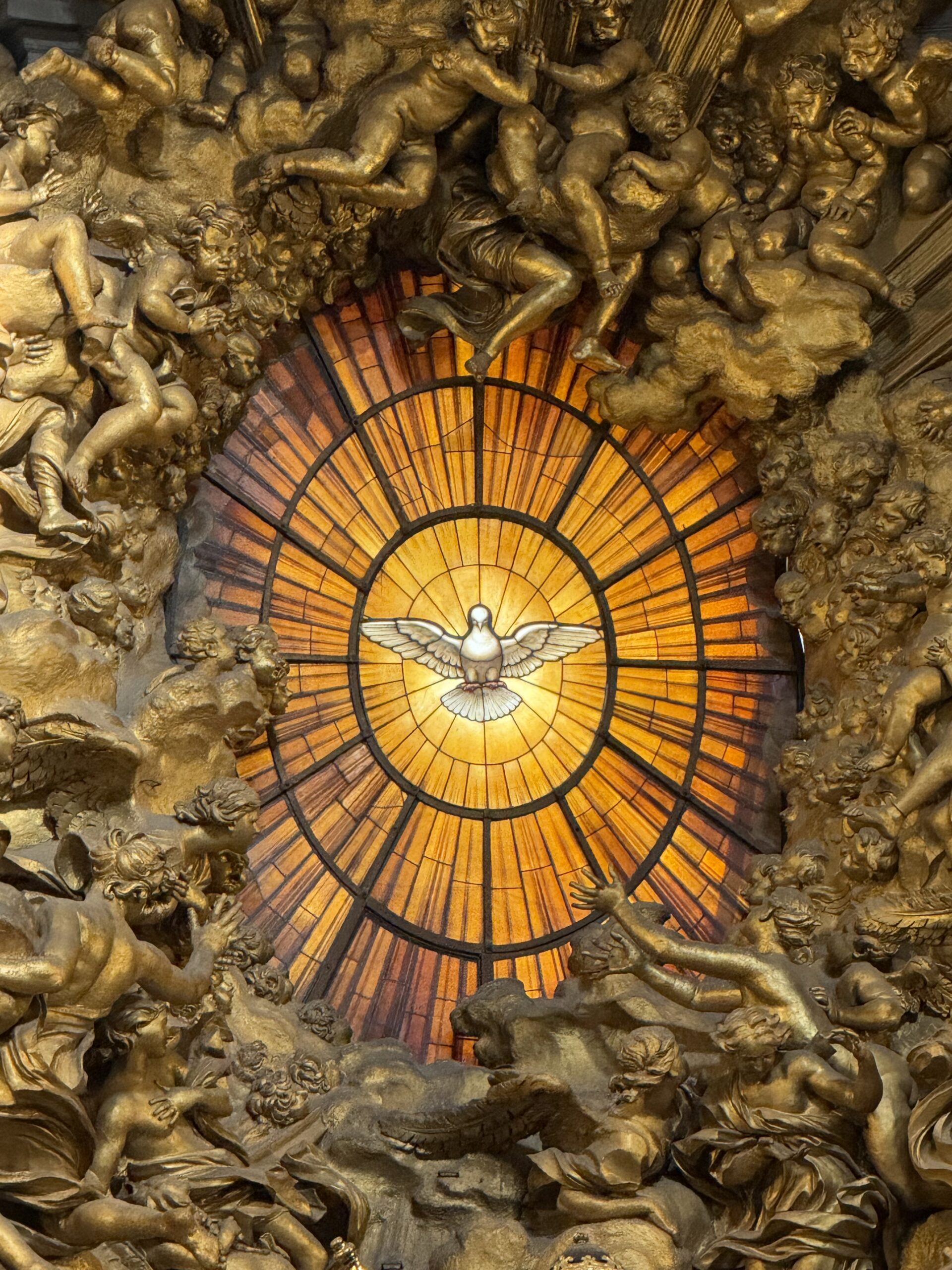
Later wandering through the Basilica, another powerful moment came when I viewed Bernini’s magnificent Chair of St. Peter and its stained-glass window, illuminating a beautiful white dove. Bernini’s dove represents the Holy Spirit, but for me it carried additional significance. Albertus was founded and continues to be sponsored by the Dominican Sisters of Peace, for whom the dove is an important symbol. In our Saint Catherine of Siena Chapel, a stained-glass window designed by longtime Albertus faculty member, the late Sr. Thoma Swanson, O.P., features beautiful peace doves. Standing in St. Peter’s Basilica, thousands of miles from New Haven, that enduring symbol of peace brought my thoughts immediately home.
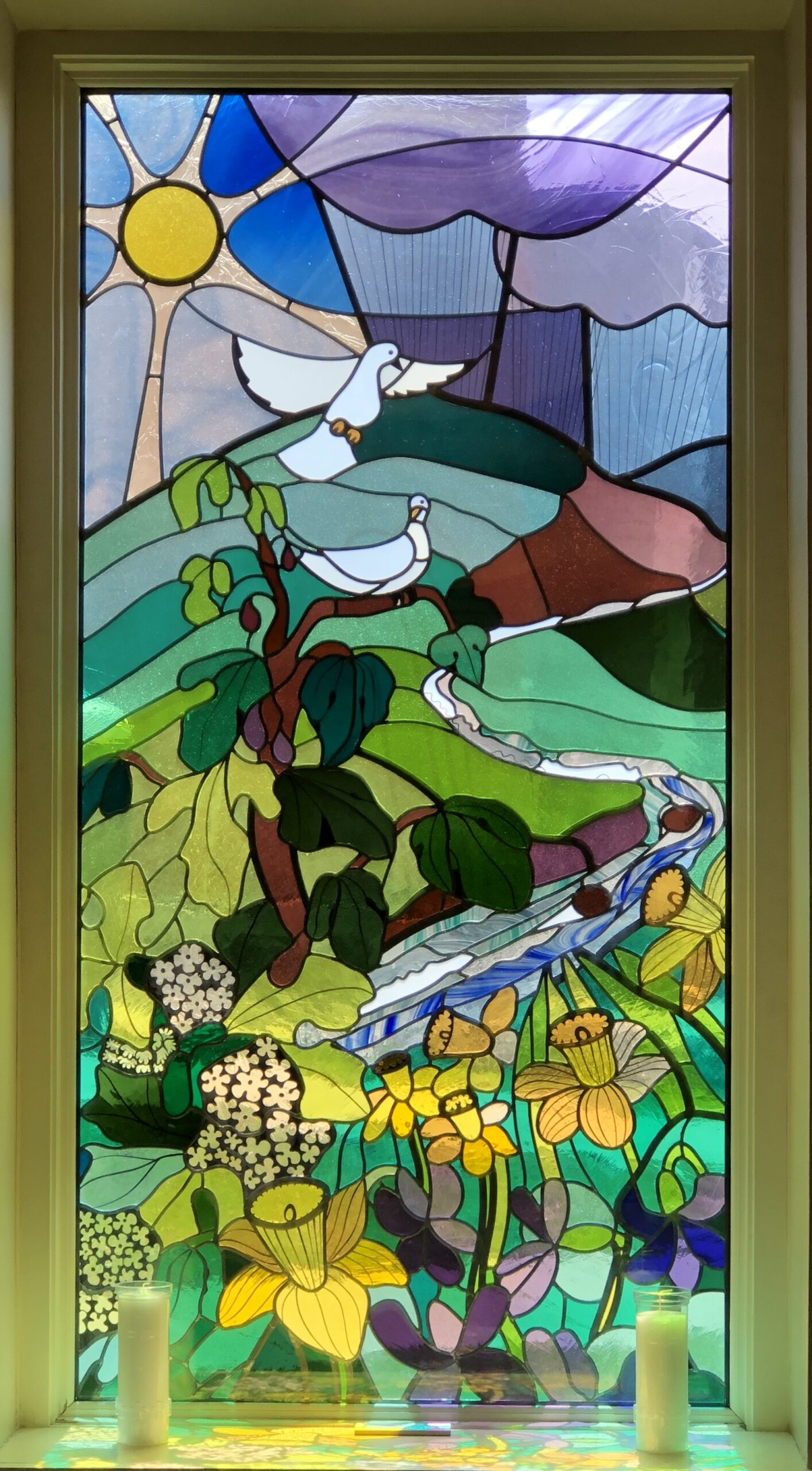
Our Catholic and Dominican identity reminds us that peace is more than the absence of conflict. Peace requires listening, understanding, compassion, courage, seeking common ground, and recognizing the dignity of others.
As Albertus begins its second century, my time in St. Peter’s Basilica reminded me that part of our calling stretches back centuries while remaining urgently relevant today: to embrace a faith rooted in something larger than ourselves—and to accept our responsibility to be builders of peace.
Next Week: Magnifica Humanitas, A Call for Education and Humanity