Life at a Slower Pace in Barcelona
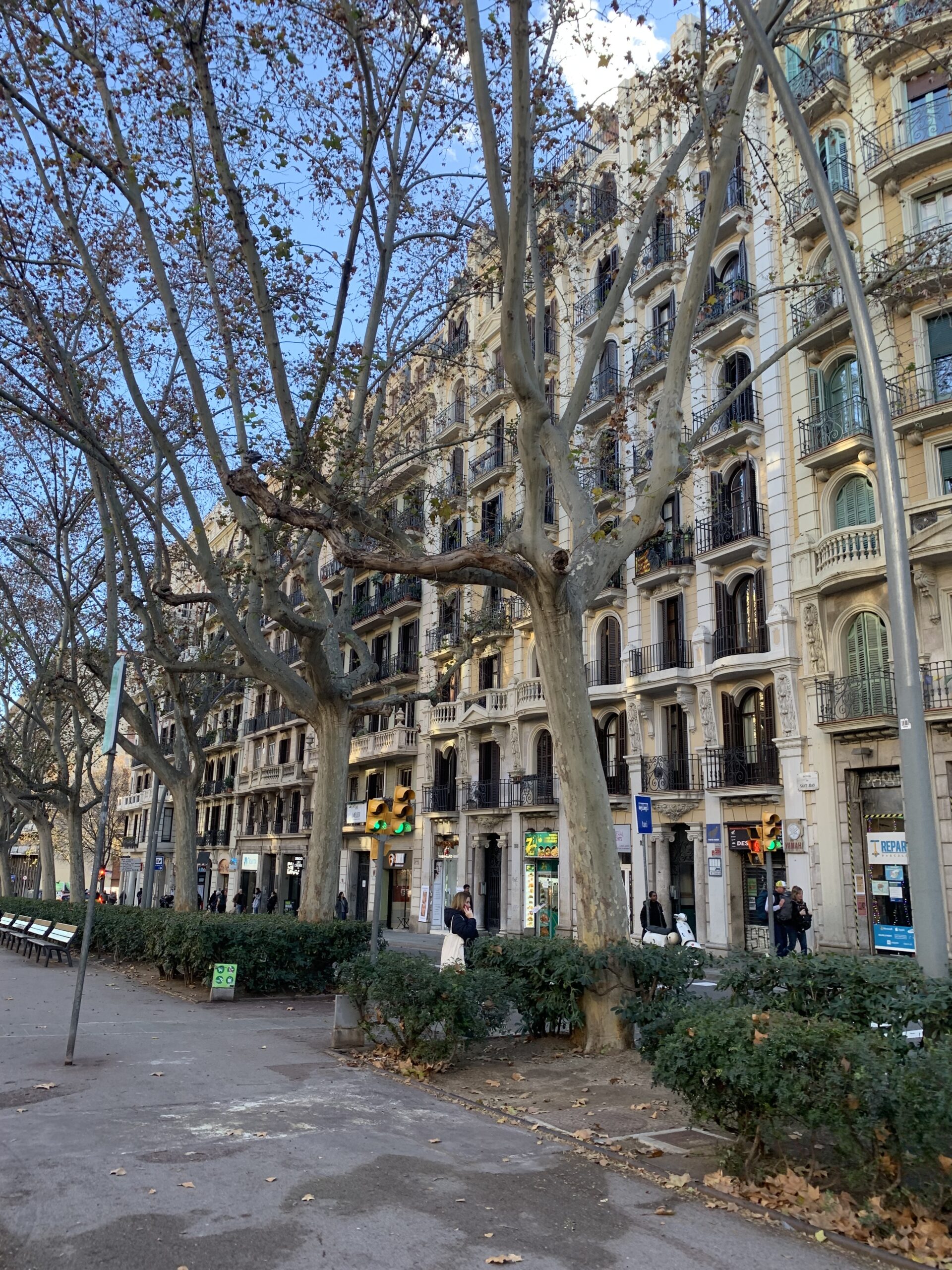
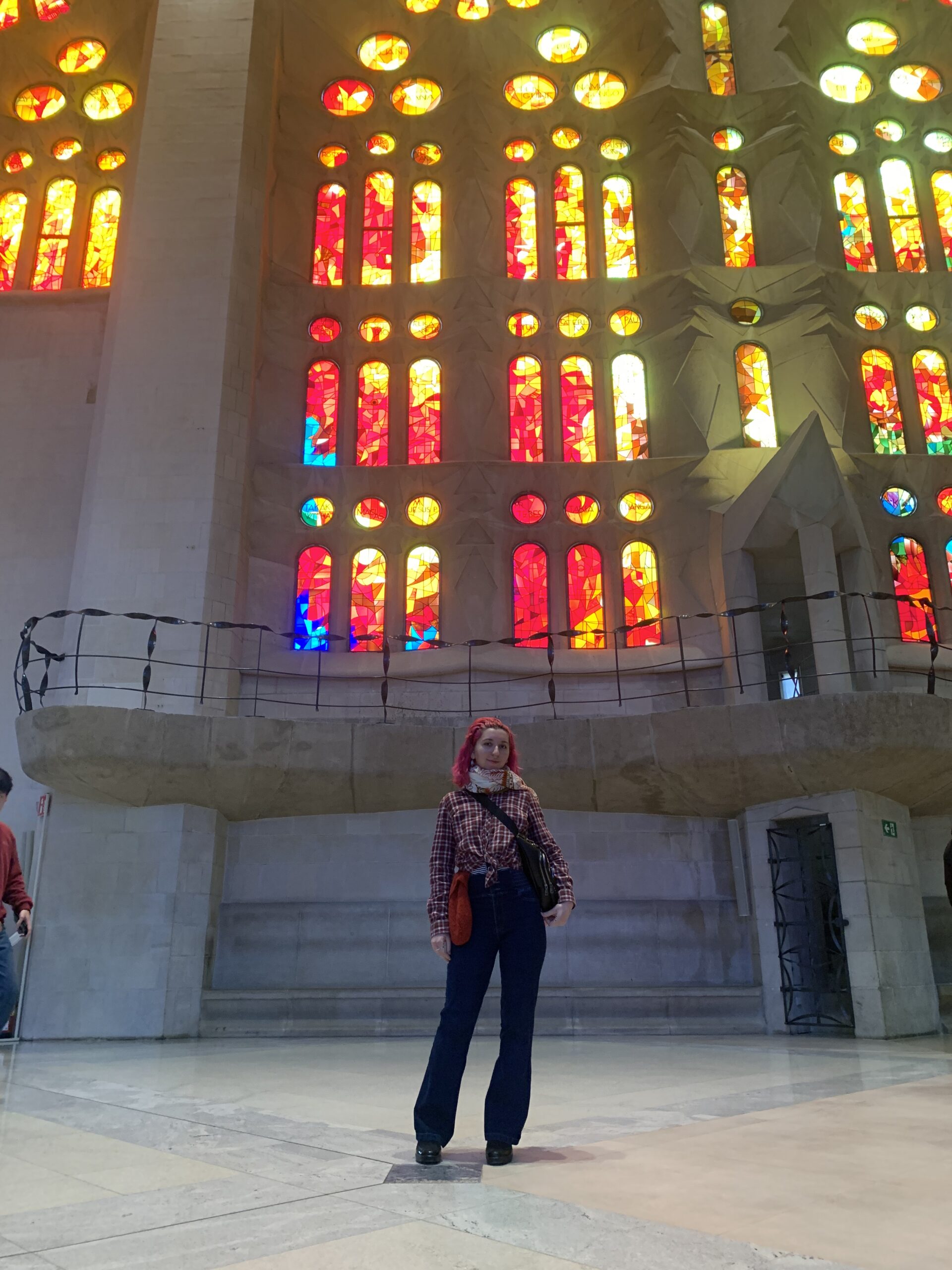
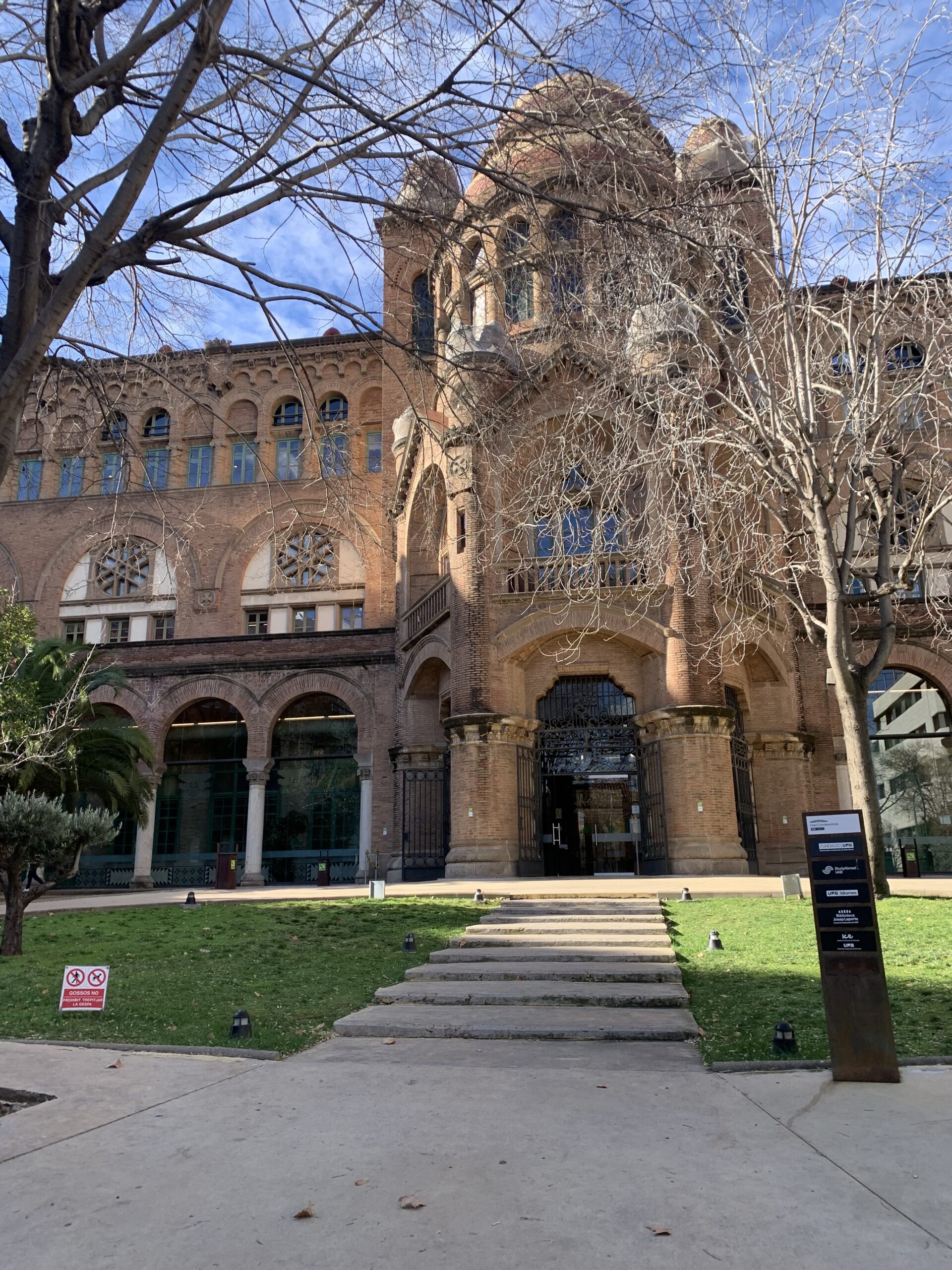
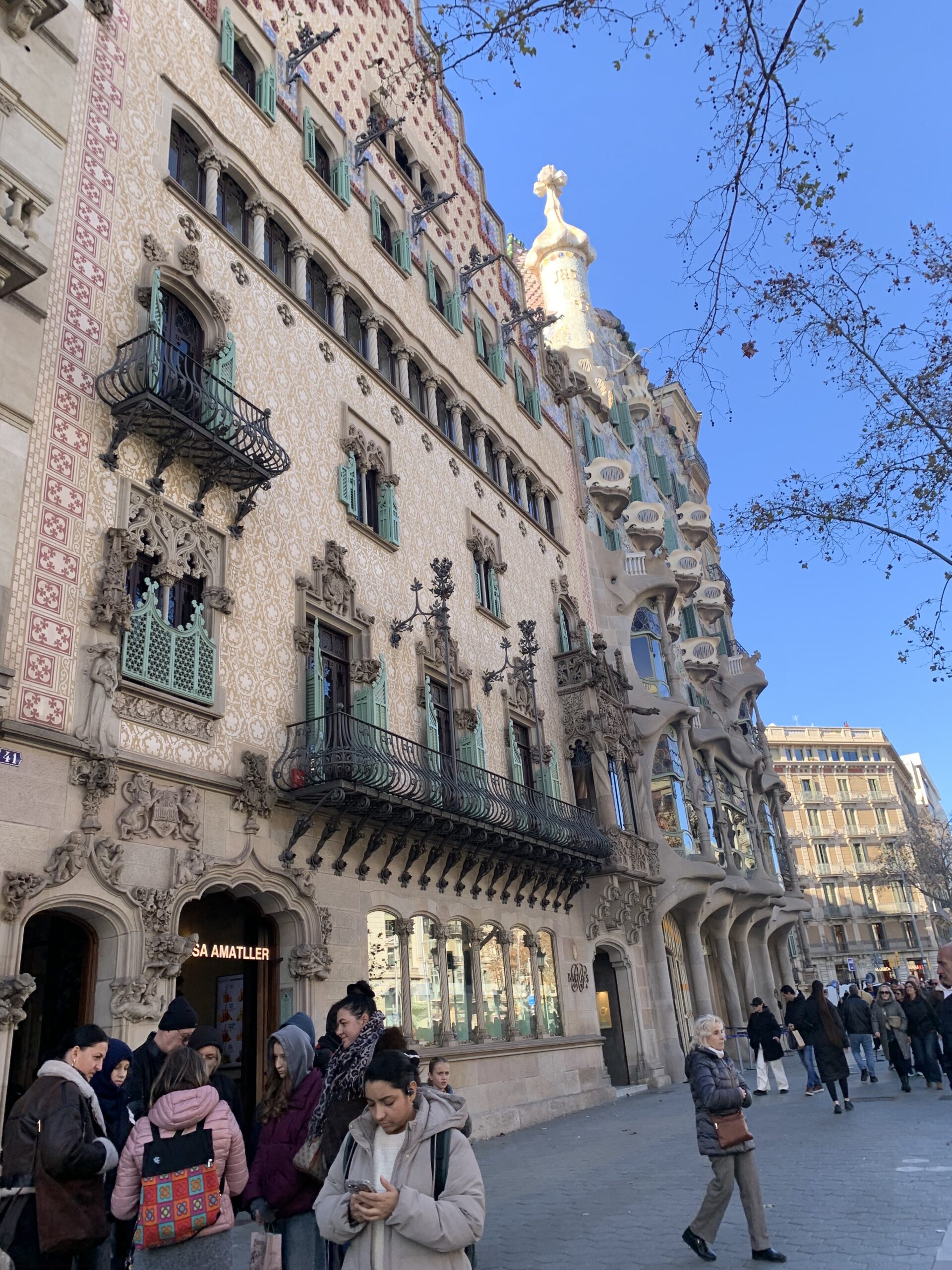
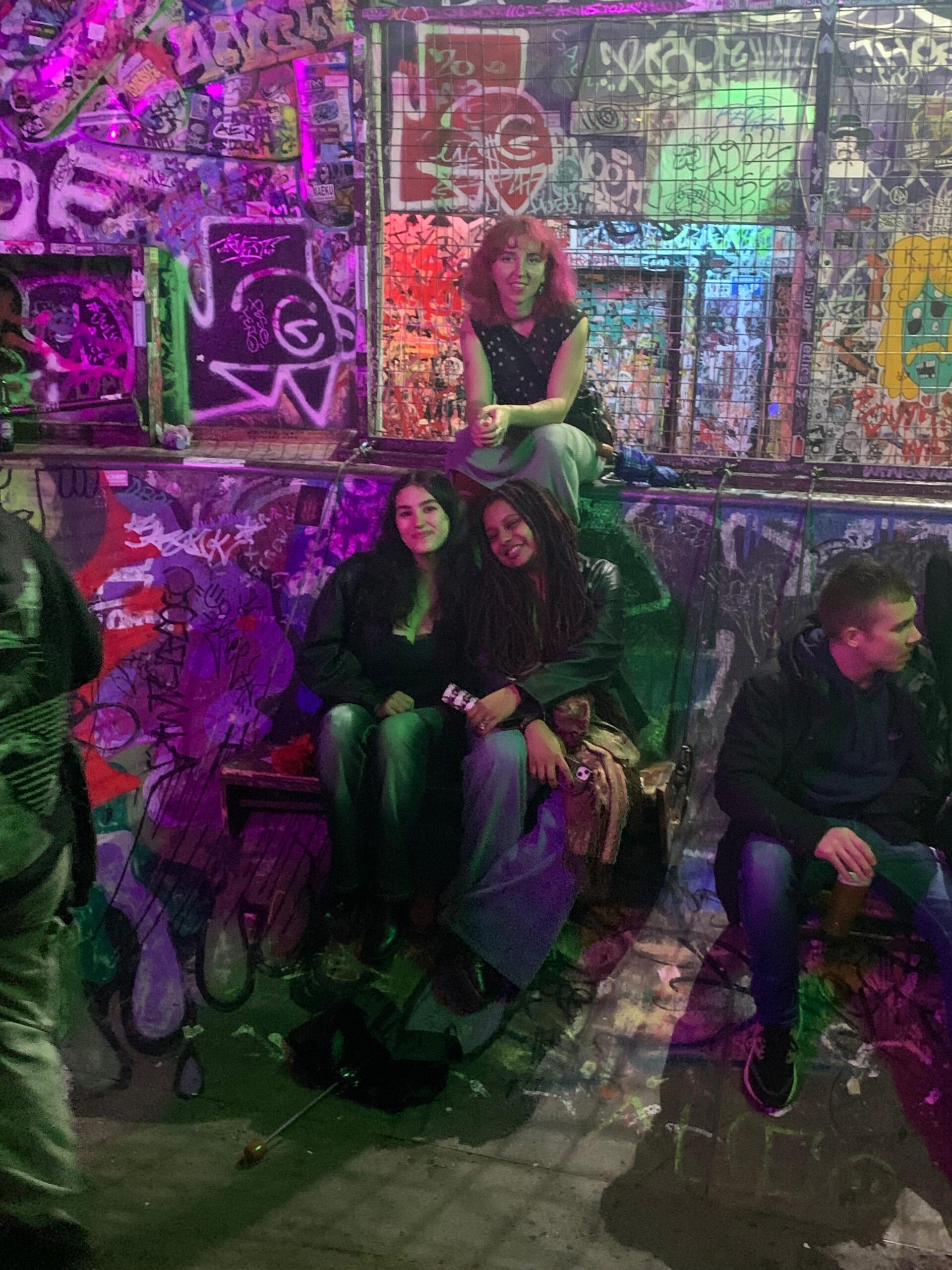
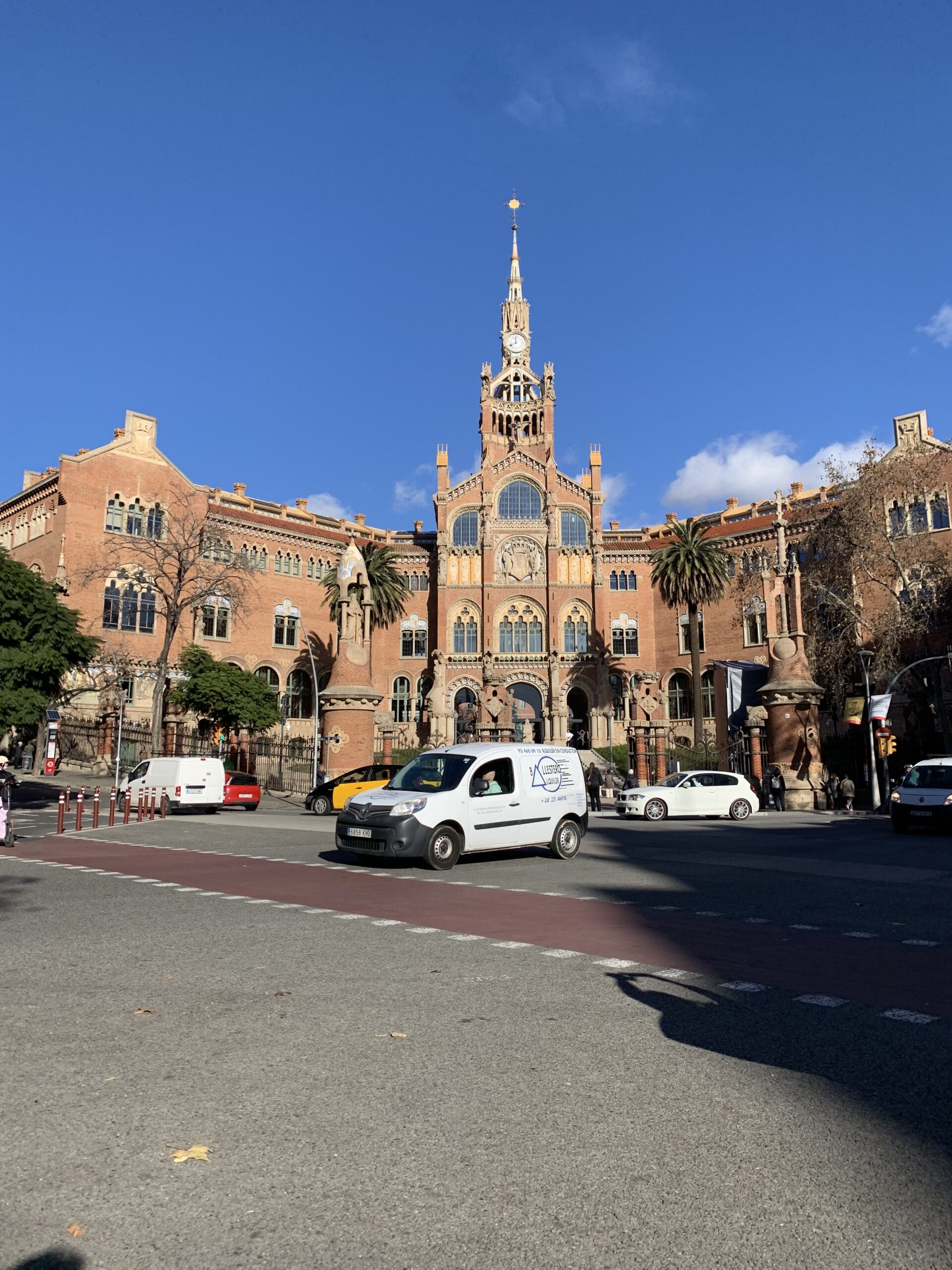
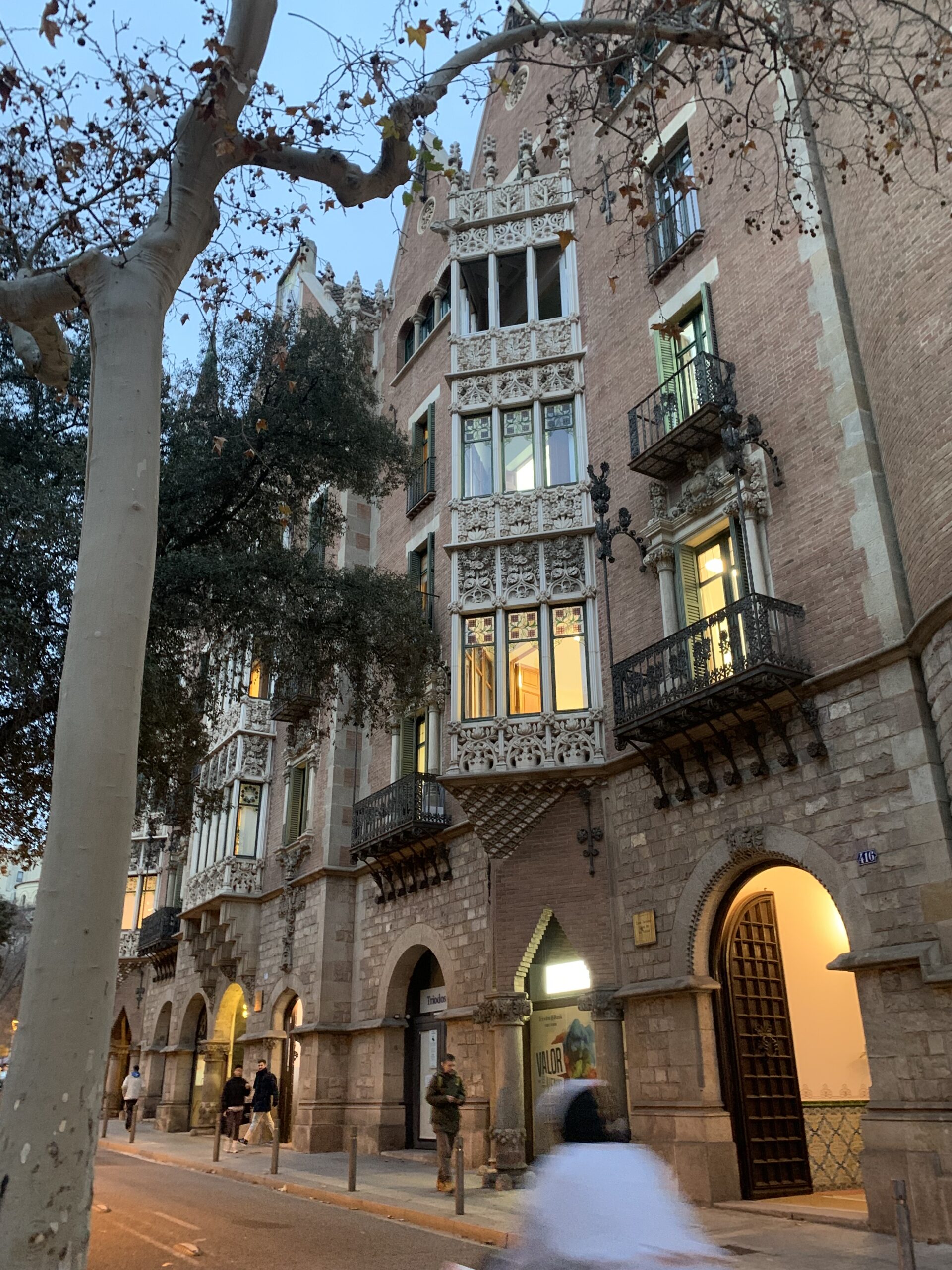
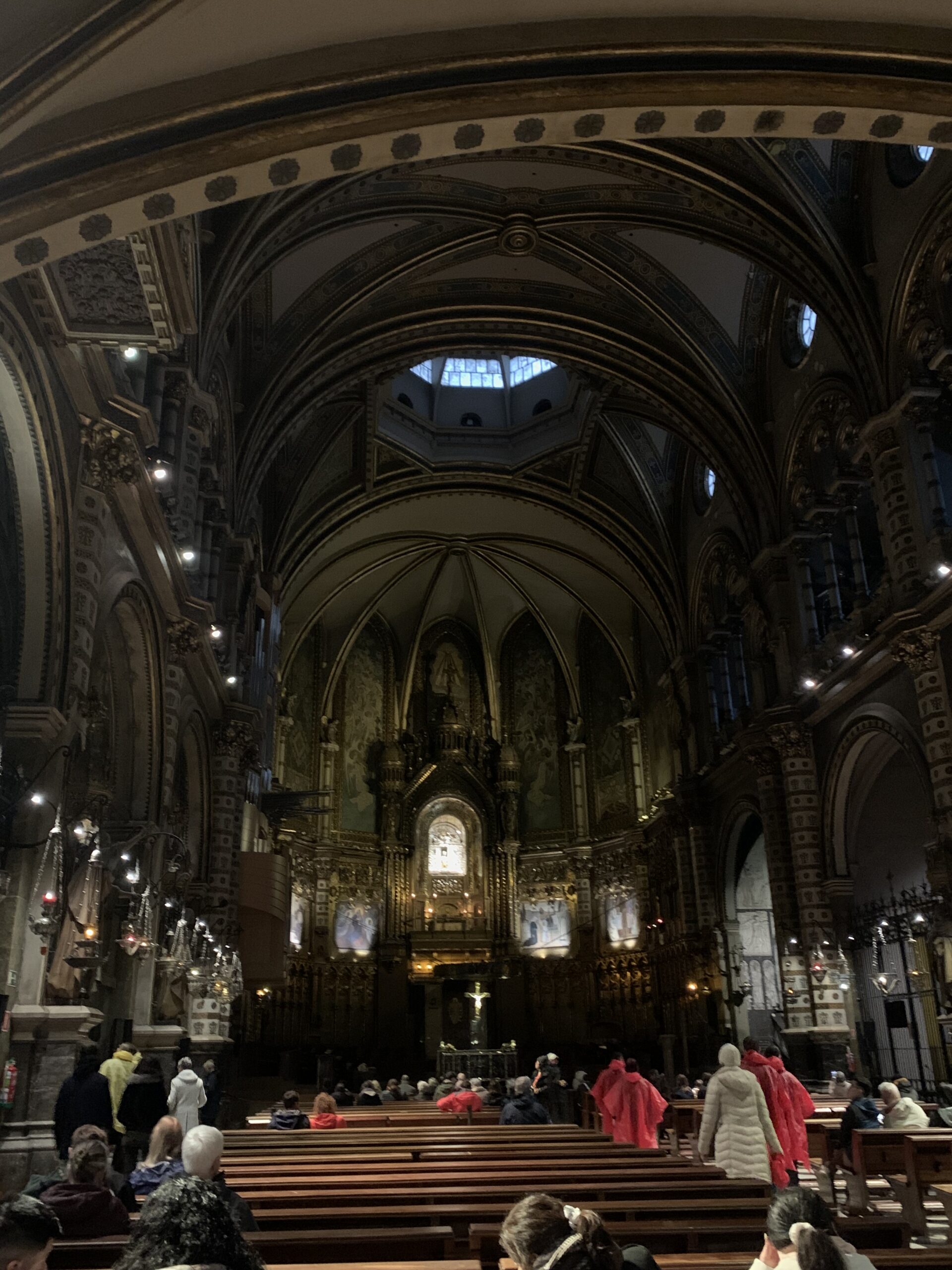
In my month of being in Barcelona so far, I have enjoyed many of the cultural beauties of this wonderful city and country. Every street I walk through, I am surrounded by beautifully complex and artistically made architecture, and diverse people with amazing style sitting and socializing with their glasses of wine or a cerveza (beer) for multiple hours.
Dinners are late, but the sobremesas (socializing after dinner) go on even later, and their cultural significance shows the highlighted importance of spending time with friends and family. I truly adore this about Spain, as I feel that we are disconnected from each other in the United States. People take their time here, walking slowly through the streets while having long conversations as they make it to whatever destination they are going to– emphasizing the value of being in the present rather than rushing to the next destination or task.
Here, there is an importance and value placed on acknowledging a person everywhere you are. It is considered rude not to say “Hola,” “Buenas,” or “¿Qué tal?” or a combination of them when you walk into a store or a classroom, or in any situation where you may pass by someone. Humanizing each other is incredibly valued here, another aspect of Spanish culture that I adore.
I have had the pleasure of attending a Mallorcan cultural festival where kids were dressed in dragon and devil costumes, marching bands had devils banging on drums, dragon sculptures were blowing fire sprinklers out of their mouths, and bonfires were lit on every surrounding skinny street with people enjoying bonfire-cooked meat and wine.
I have visited many Roman ruins in the oldest part of Barcelona that was once the Roman city of Barcino and is now known as the Gothic Quarter, where there is elaborate medieval architecture, skinny streets, and incredibly old Roman ruins. I have also gotten to visit the wonderful city of Tarragona, a city that used to be one of the Roman Empire’s most successful cities in Spain, where you can find remains of Roman aqueducts and an amphitheater.
Another great part of my experience here has been the education. Getting to learn from native Spanish professors has been culturally expansive. The classes are mostly discussion-based, and most professors do not allow the use of any technology in class, making everyone take notes the good old way with pen and paper. I actually really love this aspect of their teaching style, but what is even better is the cultural outlook that these professors provide with their unique cultural and external perspectives in relation to American issues.
I look forward to continuing not only my exploration, but my cultural and historical expansion as I learn more about the cultural heritage and way of life in Spain.
Contributed by: Fiona Kolaj ’26