
From St. Peter’s to the Hill: Reflections from Rome
Simplicity Amid the Splendor
Contributed by: Marc M. Camille, Ed.D., President of Albertus Magnus College
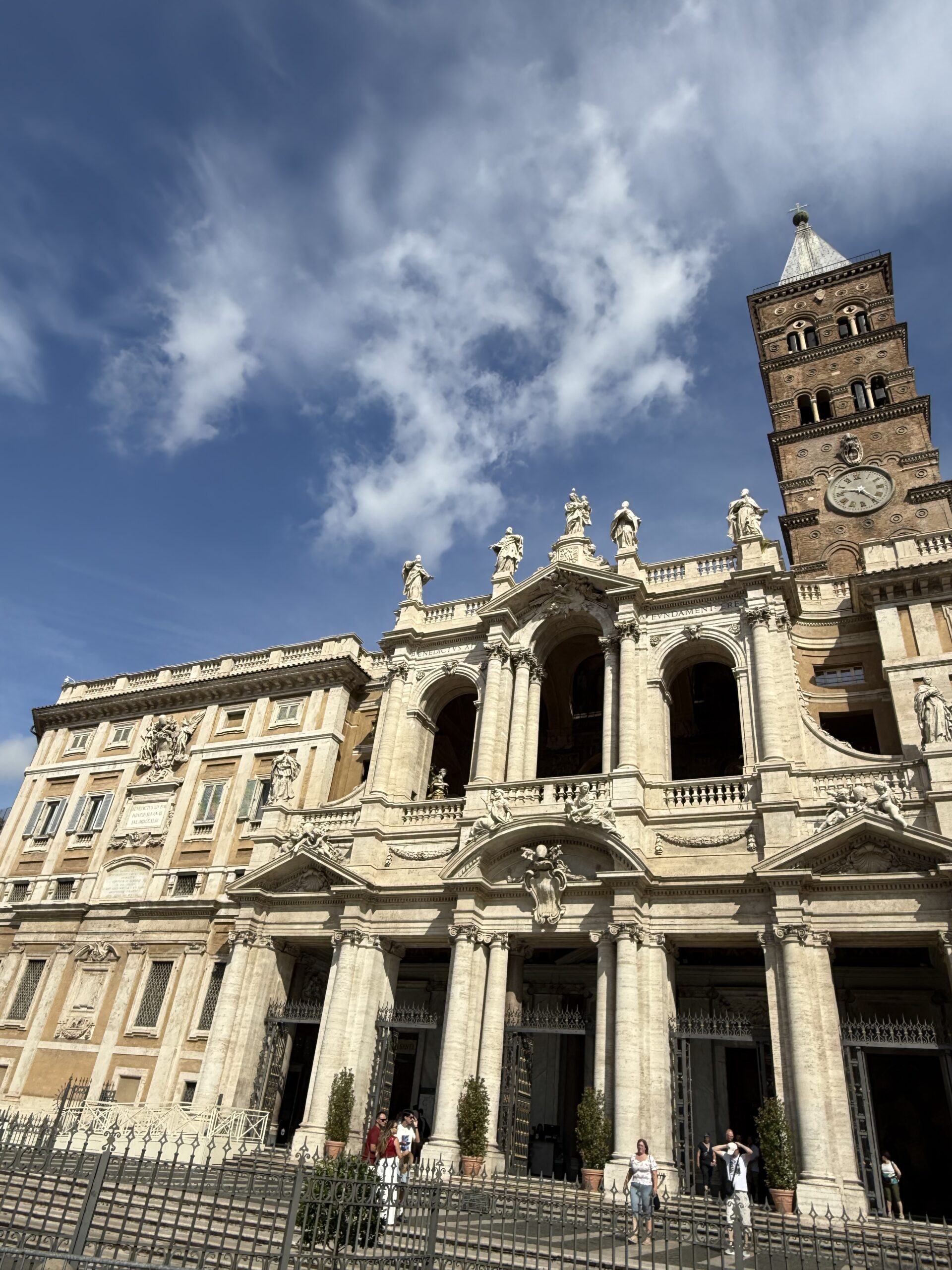
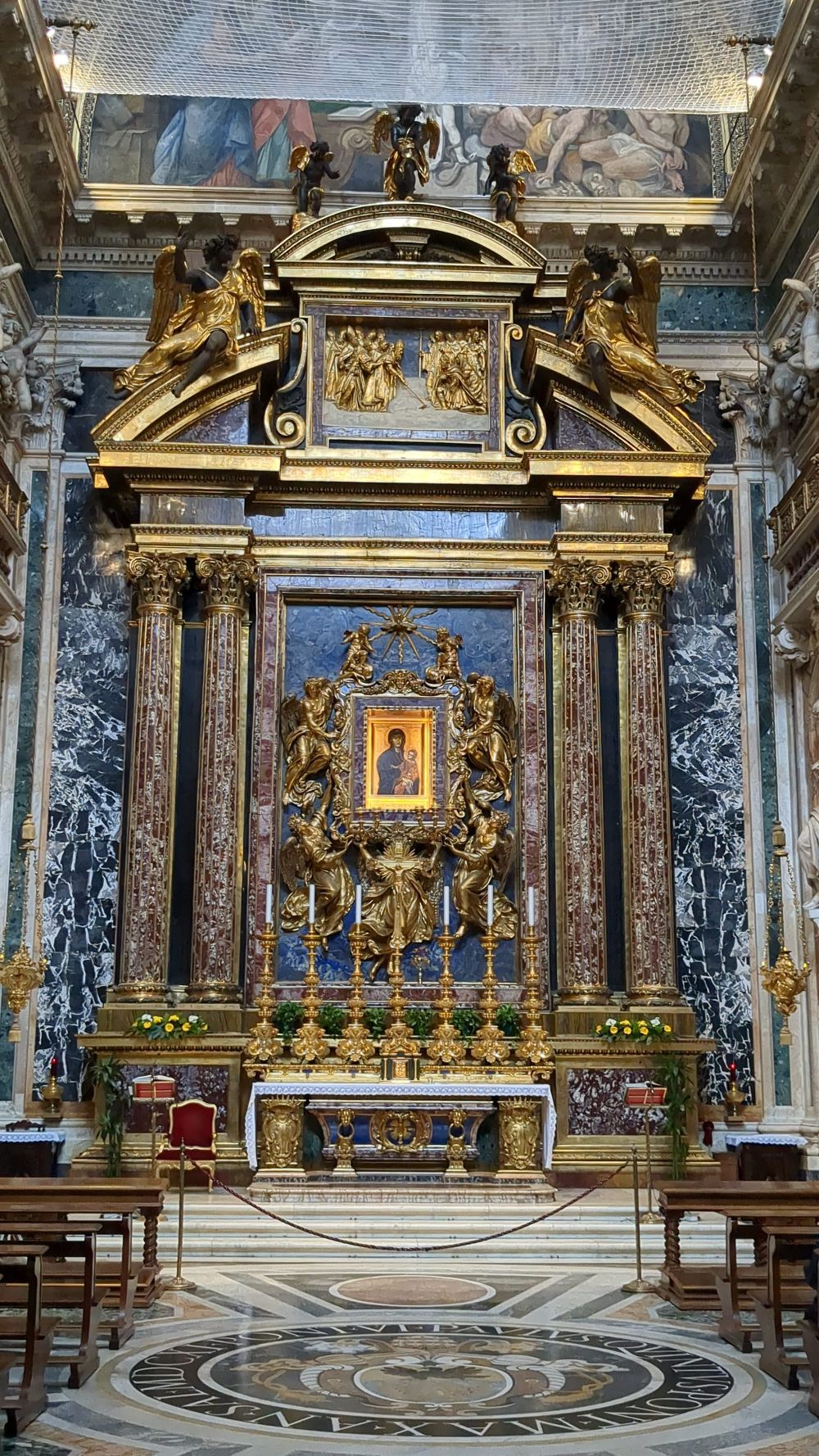
After spending my first week in Rome, I concluded it offers seemingly endless examples of breathtaking beauty. For me, my visit to Santa Maria Maggiore (Basilica of Saint Mary Major) was among the most vivid examples. Its ancient mosaics, soaring architecture, ornate artwork, and golden details surround visitors with centuries of Christian faith expressed through extraordinary beauty.
Yet surrounded by that opulence, along one of the Basilica’s side aisles, exists a stark, contrasting place that will forever be emblazoned in my memory and soul: a simple tomb bearing one word—Franciscus.
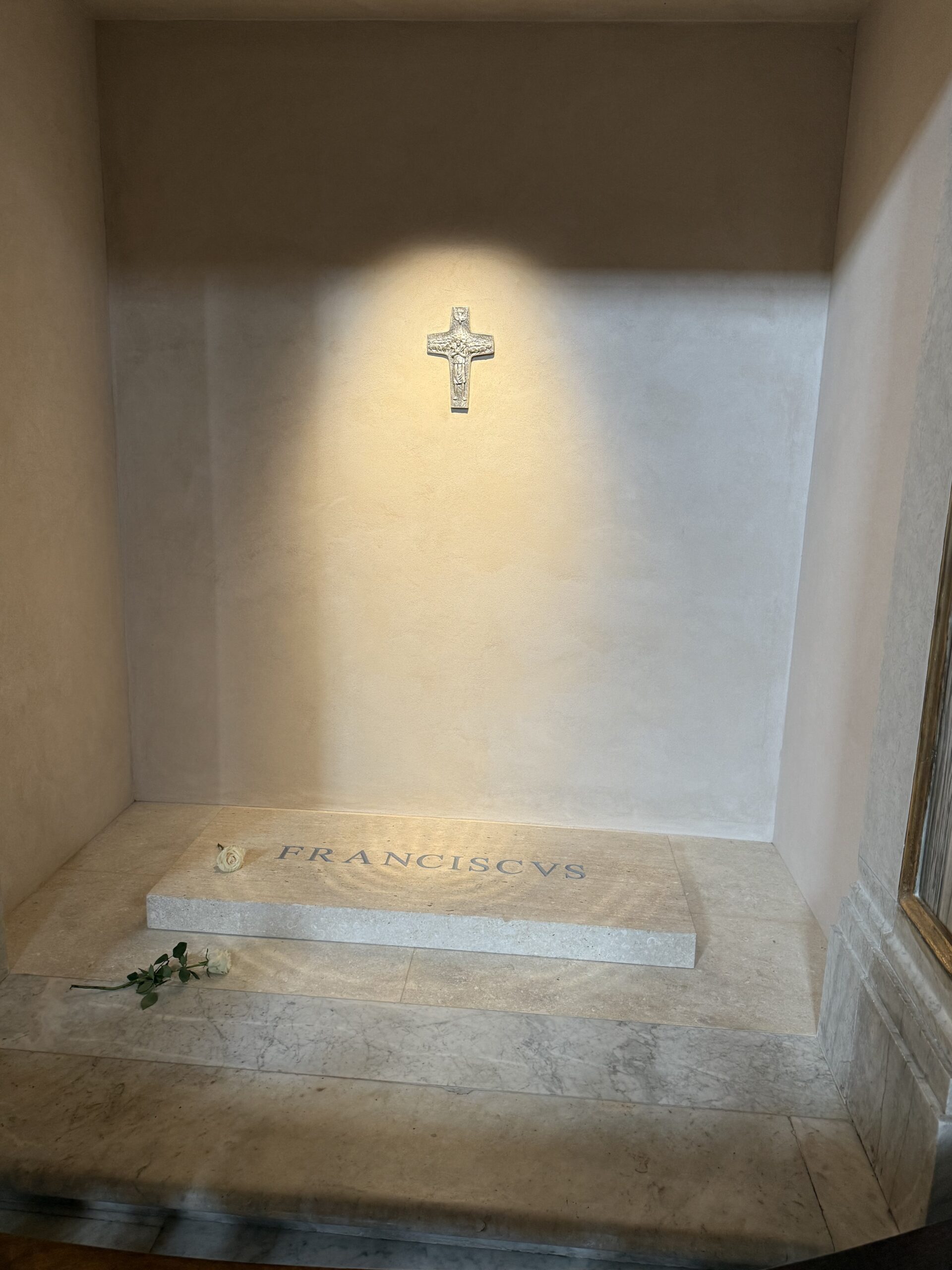
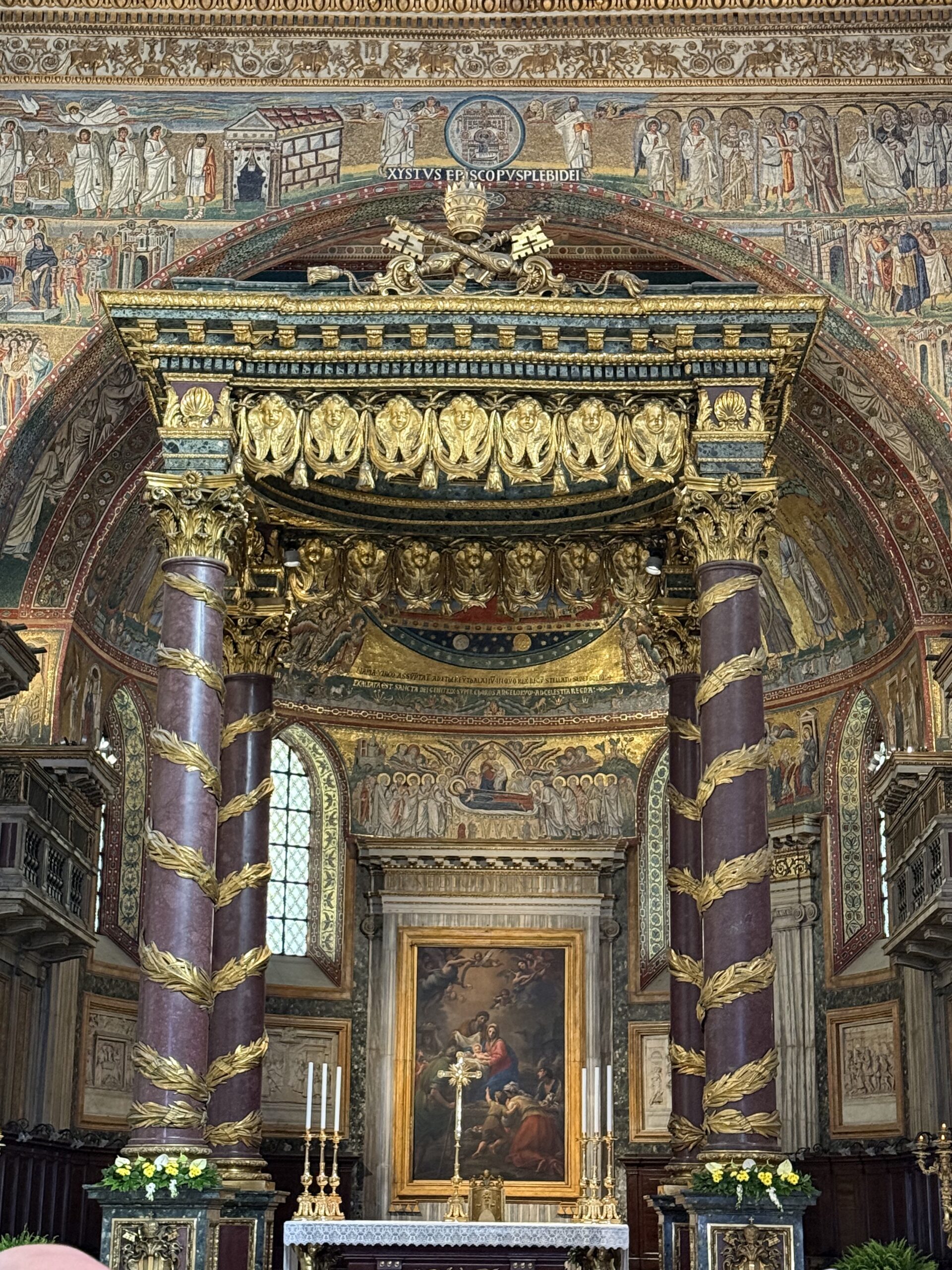
Pope Francis chose Saint Mary Major as his final resting place because of his deep devotion to Mary and the Salus Populi Romani icon housed there—the Protectress of the Roman people, depicting the Virgin Mary holding the Christ child. Before and after his international journeys, Pope Francis would visit the Basilica to pray—entrusting his travels to Mary before departing and returning afterward in gratitude. In his final testament, published by the Vatican, Pope Francis asked that his earthly journey end there, with a tomb that was “simple, without particular ornamentation.”
Standing before that tomb—and then kneeling in prayer—was among the most moving moments of my time in Rome.
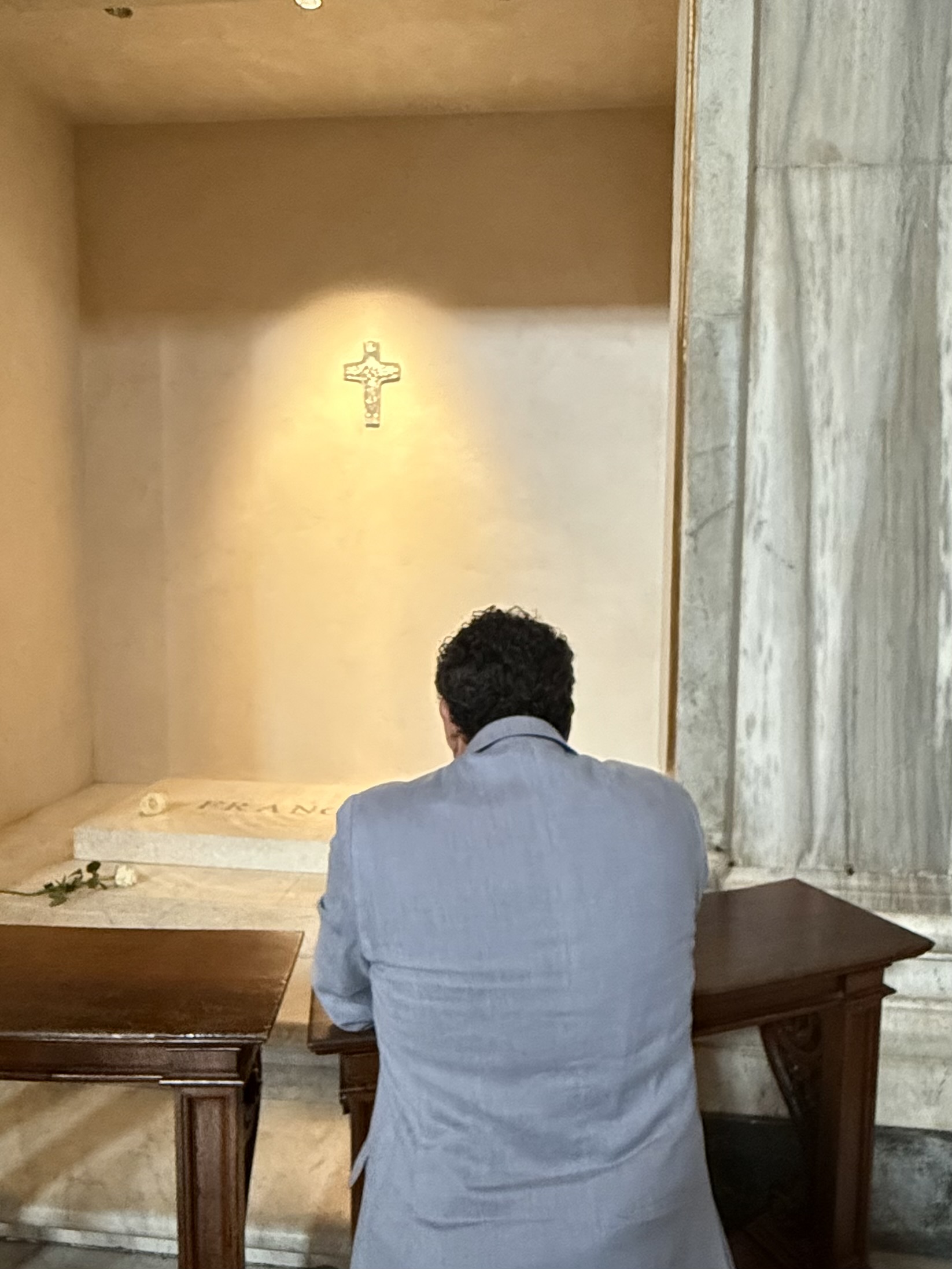
The simplicity seemed remarkably fitting for a Pope who continually called us toward the margins, reminding us of the dignity of every person and challenging us to build a Church characterized by mercy, encounter, fraternity, and hope. For these reasons and many more, I was drawn to and nourished by Pope Francis throughout his papacy.
But visiting Saint Mary Major in the midst of the Albertus Centennial Year, I was also struck by what that tomb represents about continuity.
While Pope Francis’ earthly ministry has ended, his influence on the Church has not. Pope Leo XIV has spoken movingly about his predecessor’s legacy, describing Francis’ witness as a significant inheritance for the Church and recalling especially his commitment to mercy, mission, peace, and those too often forgotten. Indeed, just two days after his election, Pope Leo himself came to Saint Mary Major to pray at Francis’ tomb—here, too, are reasons I have been so inspired by our new Pope.
That visit and experience brought me back to something I have contemplated throughout these Rome reflections. Institutions endure because each generation receives something precious from those who came before—and then accepts responsibility for carrying it forward.
As Albertus begins its second century, that lesson feels particularly meaningful. We honor the Dominican Sisters and all those who built the College’s foundation not simply by remembering them, but by remaining faithful to their values while responding courageously to the needs of our own time.
My visit to Saint Mary Major, and especially my experience witnessing and praying at Pope Francis’ remarkably simple tomb amid the splendor, I was reminded that legacy is ultimately measured not by the monuments we leave behind, but by the values we live and what we inspire others to carry forward.
Next Week: A Closing Reflection on a Culminating Experience