
The following article appeared in the Centennial Newsletter on March 3rd, 2025.
Presidential Ponderings
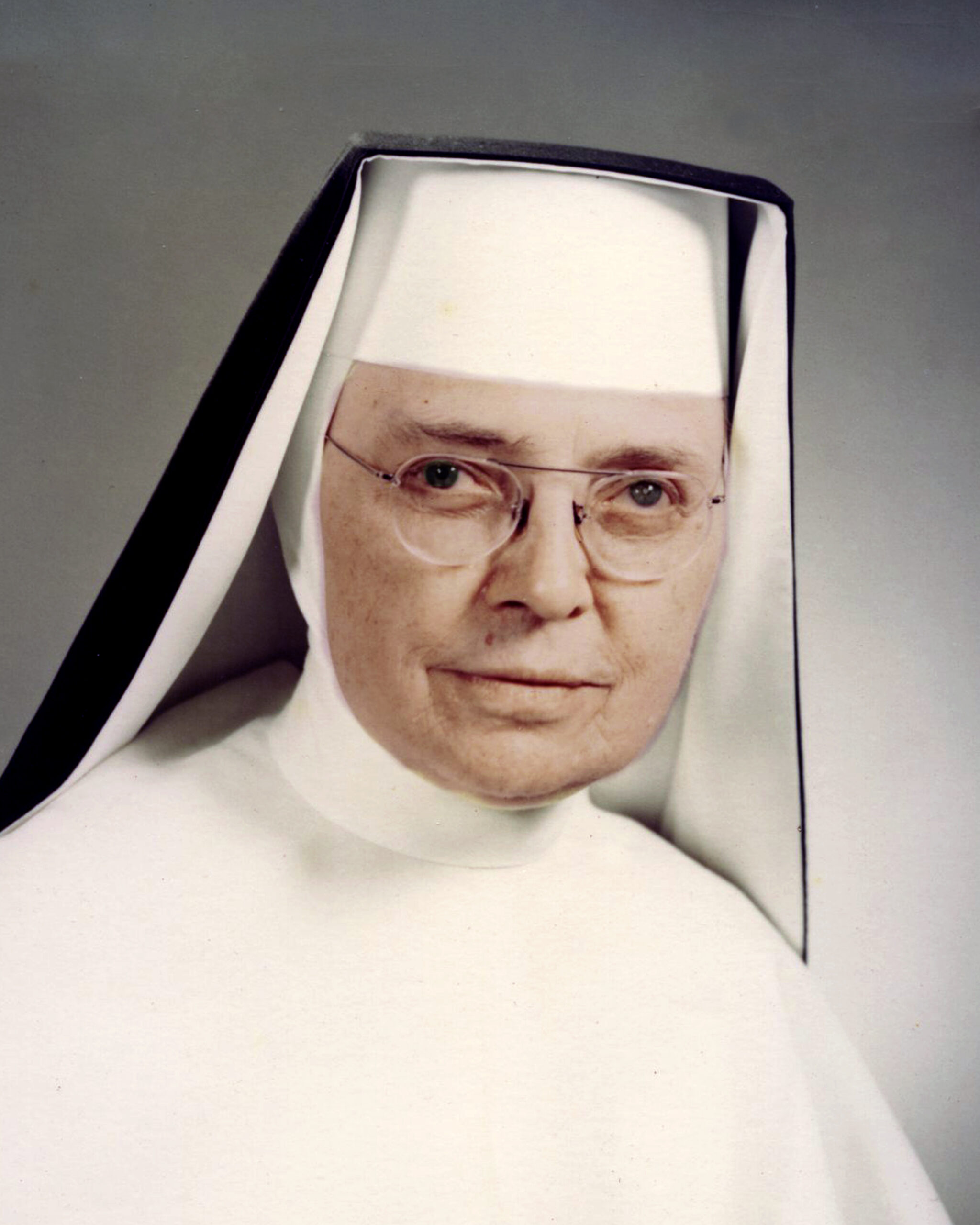
Did Sister Anacletus Oger know what she was getting into as the third president of Albertus Magnus College in 1935? The country was suffering from the Great Depression which was a global economic crisis that lasted from 1929 to around 1939. Funds were scarce and the future of the college was uncertain. The Dominican Sisters of St. Mary of the Springs were teetering on bankruptcy and were in no position to bail out the school. Mother Stephanie was not willing to give up and close the young college. Sister Anacletus was between a rock and a hard place when she wrote to Mother Stephanie, “We are in a jam now, forbidden to stop and unable to go on.”
Desperate for advice on what to do, Sister Anacletus decided to contact the Most Reverend Maurice Francis McAuliffe, Bishop of Hartford. Determined to keep Albertus Magnus College open, Bishop McAuliffe sent $7,500.00, about $170,300.00 today, to use toward paying off some of the college’s debts.
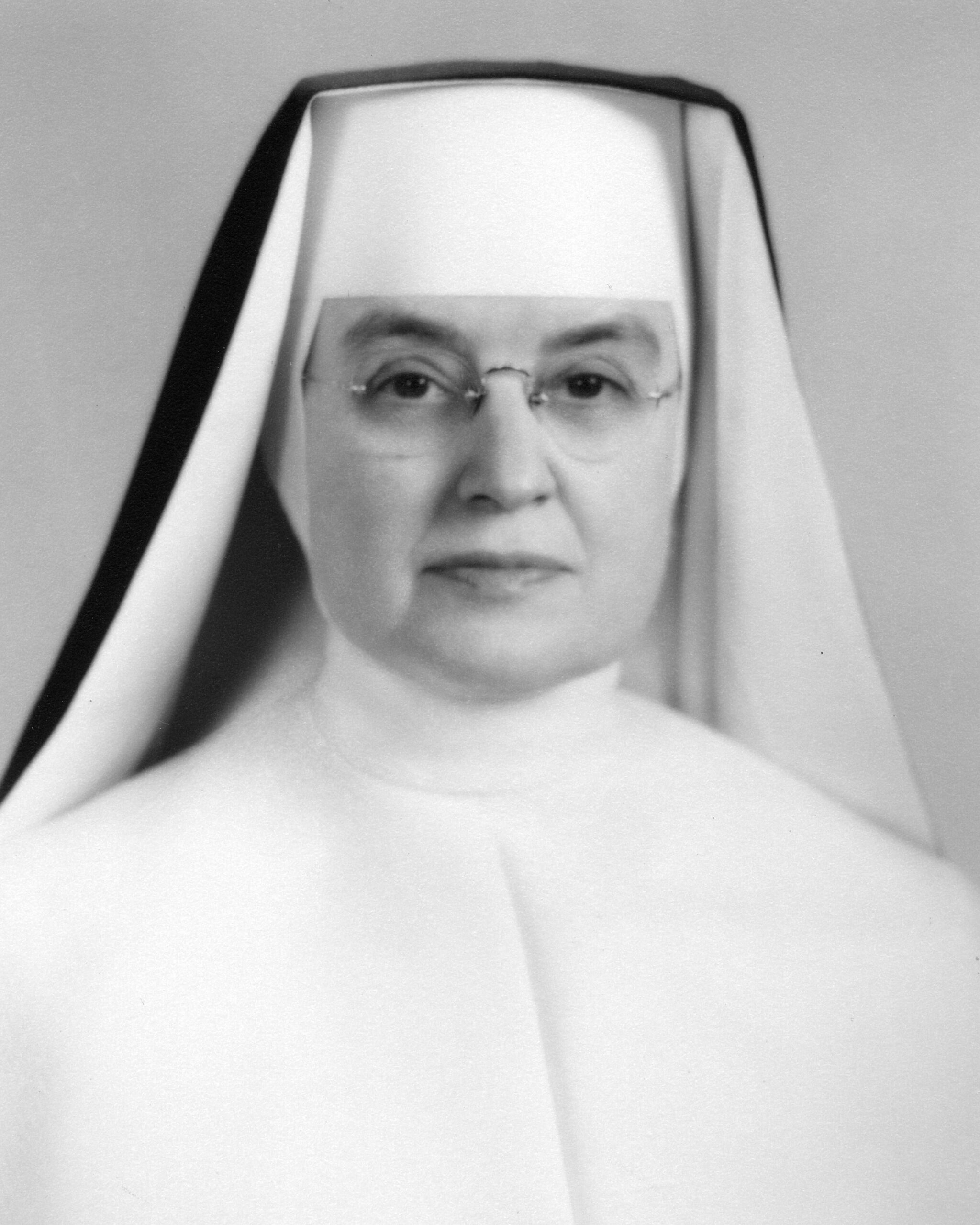
Sister Anacletus served as president from 1935 until 1938. When she stepped down, Sister Isabel Oger returned to the office of president from 1938 until 1941. Sister Isabel (born 1876) and Sister Anacletus (born 1889) were blood sisters, as well as religious sisters.
Sister Uriel Condon then became the fourth president of Albertus Magnus College, taking the helm from 1941 to 1944. She ministered as a teacher for most of her religious life, working in various schools, but most notably as the Principal of St. Mary’s High School in New Haven, a Dominican taught academy that closed in 1991 after nearly a century in New Haven.
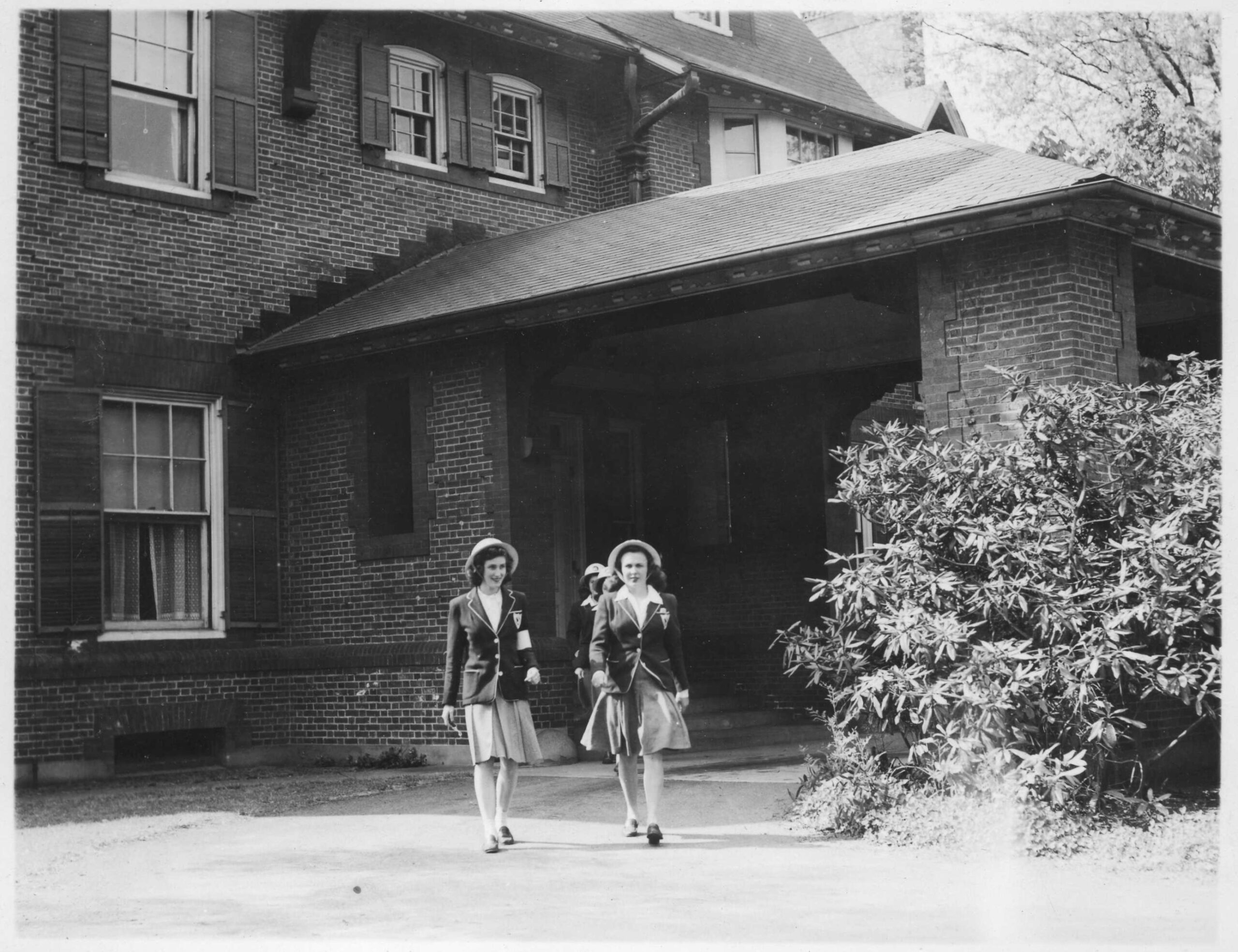
During Sister Uriel’s presidency, World War II was in full swing. Just as Albertus students do now, students participated in volunteer activities to support the war effort. Student activities included volunteering with the Red Cross, creating care packages for the troops, selling war savings stamps, and even acting as air-raid wardens on campus.
The college found itself growing in numbers and in need of more space for an ever increasing student population. Sister Uriel signed the deed for the purchase of what is now known as Nilan Hall, thus building up the college that was previously on the brink of closure.
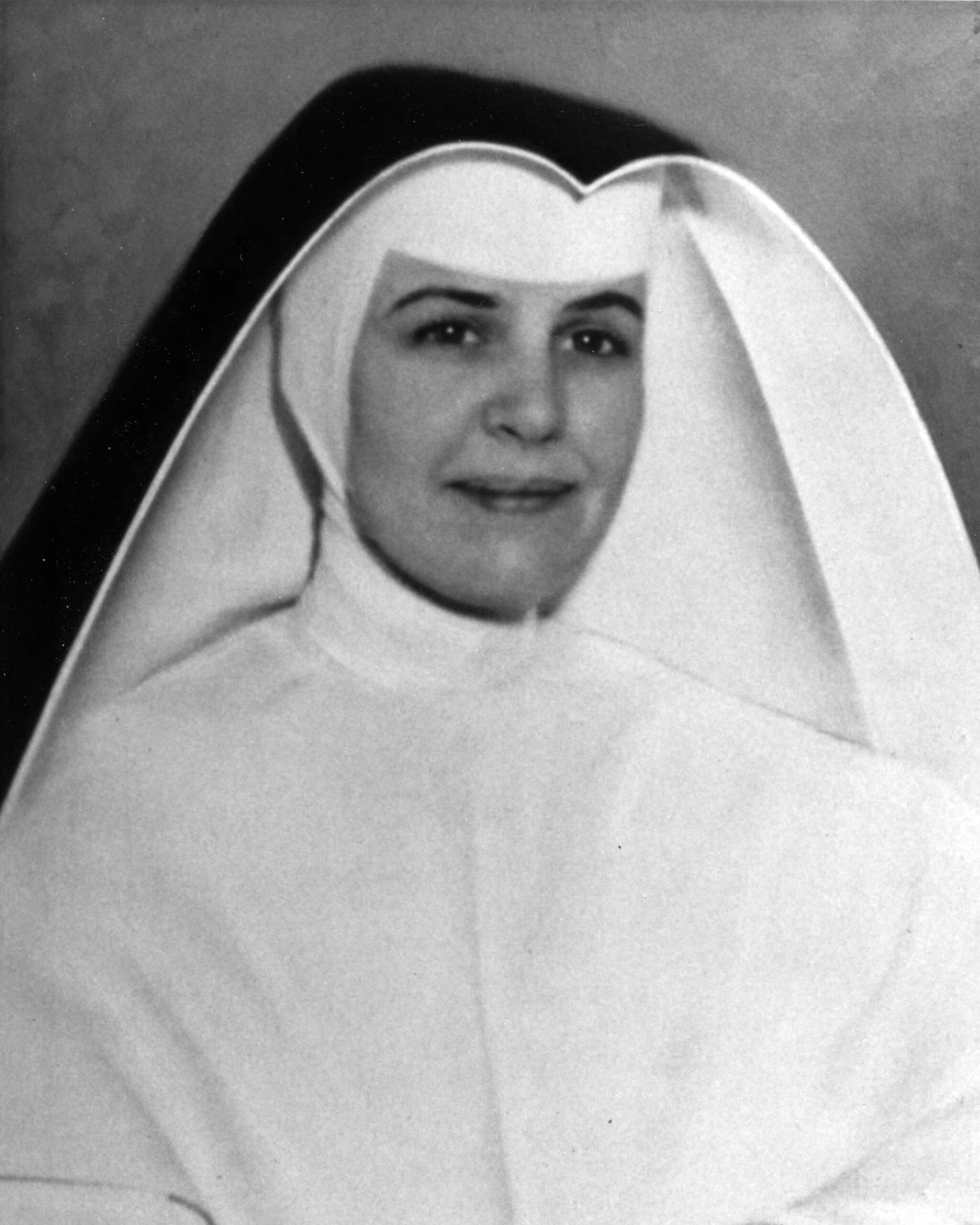
The fifth president of Albertus Magnus College was Sister Mary Samuel Boyle from 1944 through 1947. As president, she recognized a need to help students enter the workforce fast. World War II was still going on and the number of men fighting overseas left work positions to be filled on the homefront. Sister Mary Samuel implemented accelerated classes from 1943 to 1945. Students could complete their degree in three scholastic years and two summers instead of four scholastic years.
While researching the early presidents, I find myself wondering at the global, historical events taking place while the college was still young. I marvel at the audacity of the sisters who recognized the lack of educational opportunities for women and thought they could remedy that. Just as the Sisters do now, they identified a need and looked to find a way to address it. Against great odds, these Sisters, these women, actually succeeded in creating a solution that endures today. Albertus Magnus College is still helping people who would not otherwise have access to an education. I am grateful for the commitment of those early sisters to continue on, even when the task of operating a college for women seemed undoable. I find my mind replacing the words “for women” with words like…”for people of this ethnic origin” or “for first generation students” or “for gender androgynous students”, and I like to think those early college presidents look at us today and smile.
Contributed by: Sr. Paula Danforth