
 Four Dominican pillars serve as the foundation for an Albertus Magnus College education: study, prayer, community, and service. In my first year serving as president, the pillar of study was a priority, as I embarked on a listening and learning agenda, hearing stories of Albertus Magnus College experiences and impact. Now in my second year as president, my listening and learning agenda continues, and this week the study pillar will again guide me as I journey with other Dominican college presidents to the Fanjeaux area of France, where eight centuries ago, the Dominican Order was founded by Dominic de Guzmán, or St. Dominic as he is known today. As presidents of Dominican colleges, this pilgrimage to France offers us a unique opportunity to visit and experience a number of the historical sites where St. Dominic spent considerable time leading up to and after the founding of the Order. I am filled with anticipation and humility as I prepare to “study” about St. Dominic. I, like the Albertus Magnus students who avail themselves of experiential learning opportunities, will benefit from the active part of my study agenda. Seeing and walking in St. Dominic’s footsteps is an experience unlike any other I’ve had in my life to date. My hope is to share via blog posts some reflections and insights on those experiences, in written words and visually through photos.
 I’ve arrived in Toulouse, France, where those making the pilgrimage will connect after traveling from various parts of the US to France. On my way to Toulouse, I made a brief visit to the Rhône Valley village of Châteauneuf-du-Pape. Admittedly, Châteauneuf-du-Pape is perhaps most widely known today because of its historical significance and contributions to the wonderful world of French wines. With that acknowledgment, the village also has historical connections to the Papacy and the period in time when the Popes lived in Avignon, France, not far from Châteauneuf-du-Pape. Translated in English, Châteauneuf-du-Pape means “new castle of the Pope,” referencing the castle built for Pope John XXII beginning in 1317. Although the first references to the village date back to the late 11th century, it did not receive its Châteauneuf-du-Pape moniker until 1893.
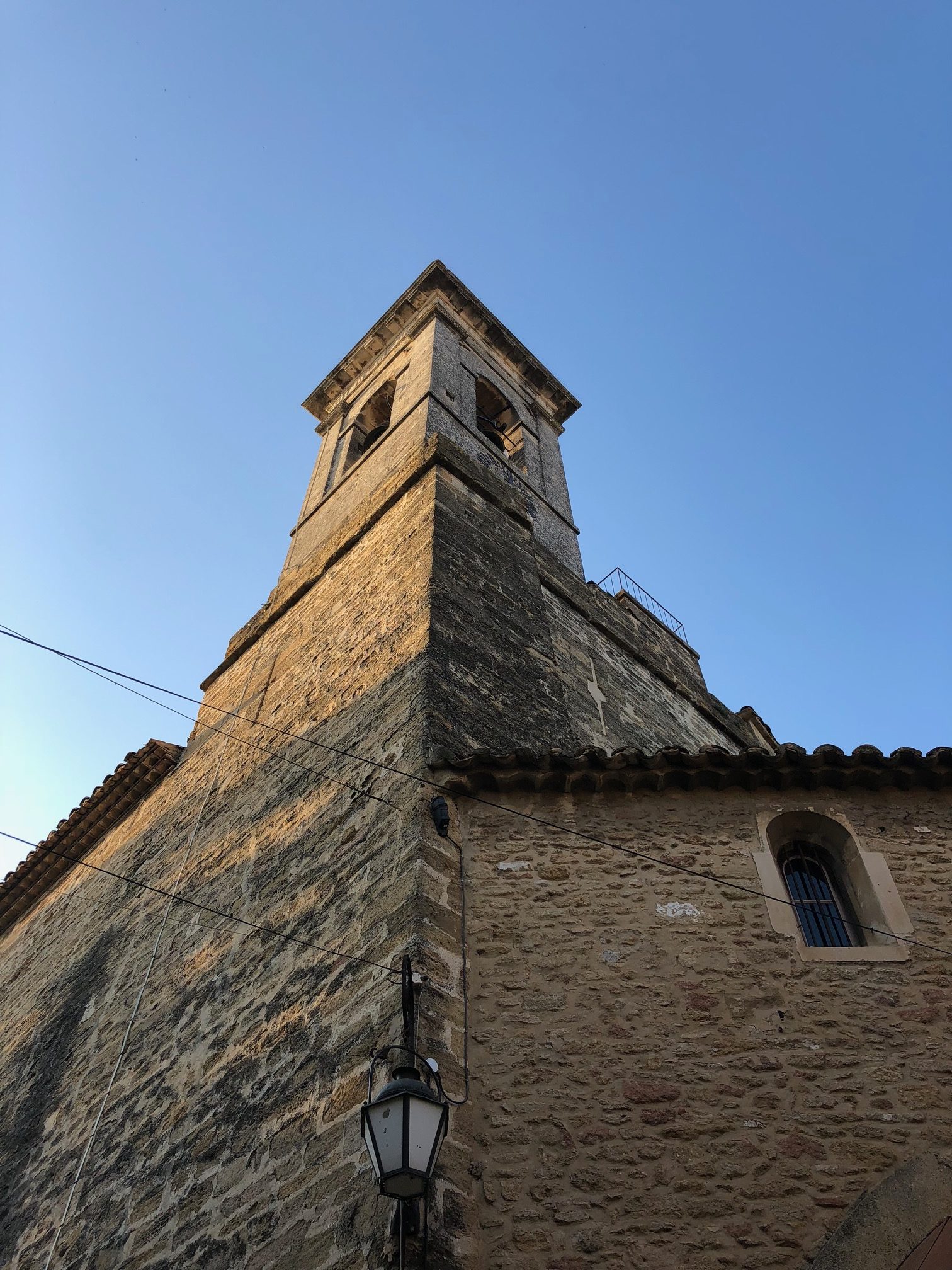
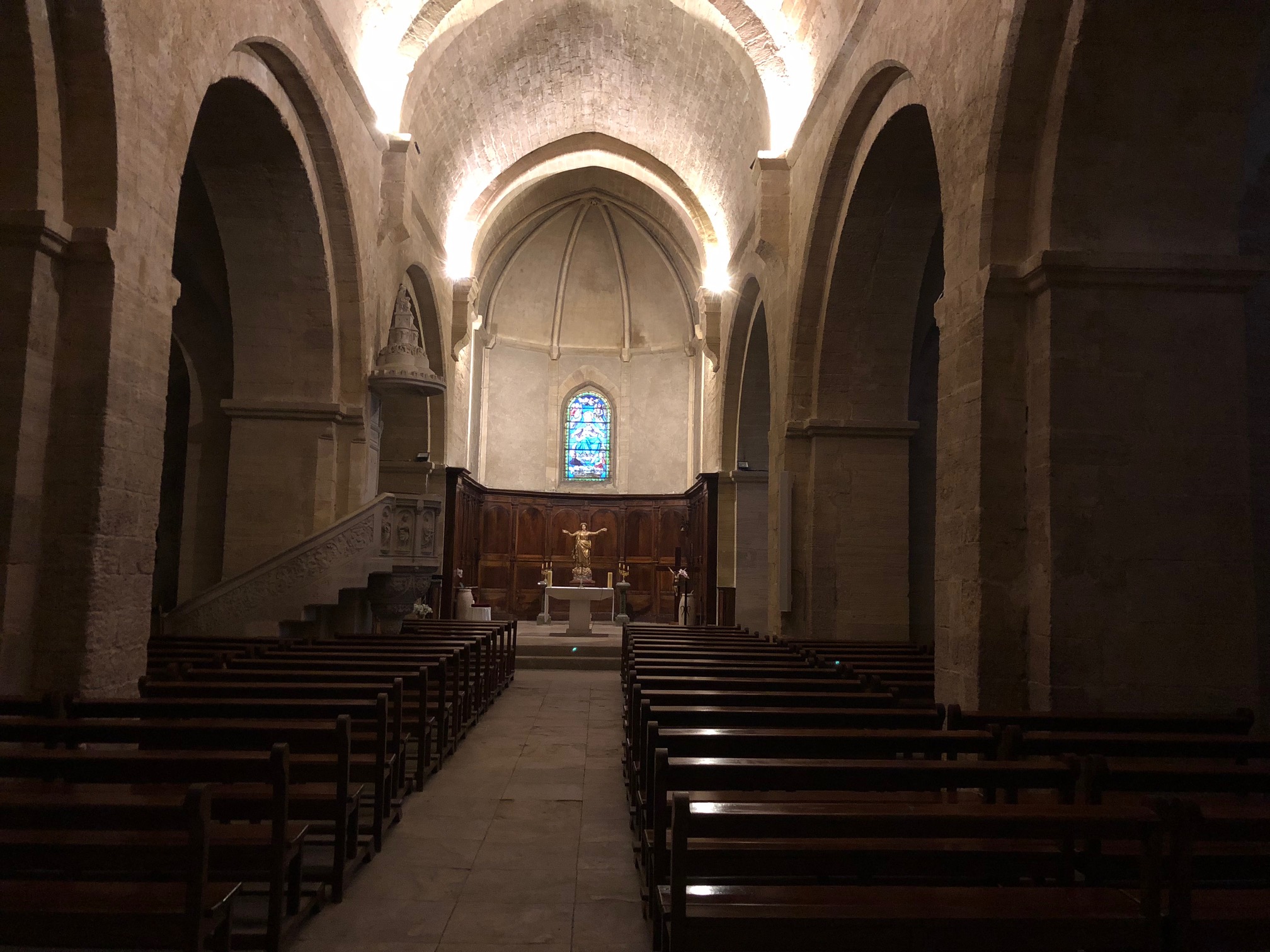
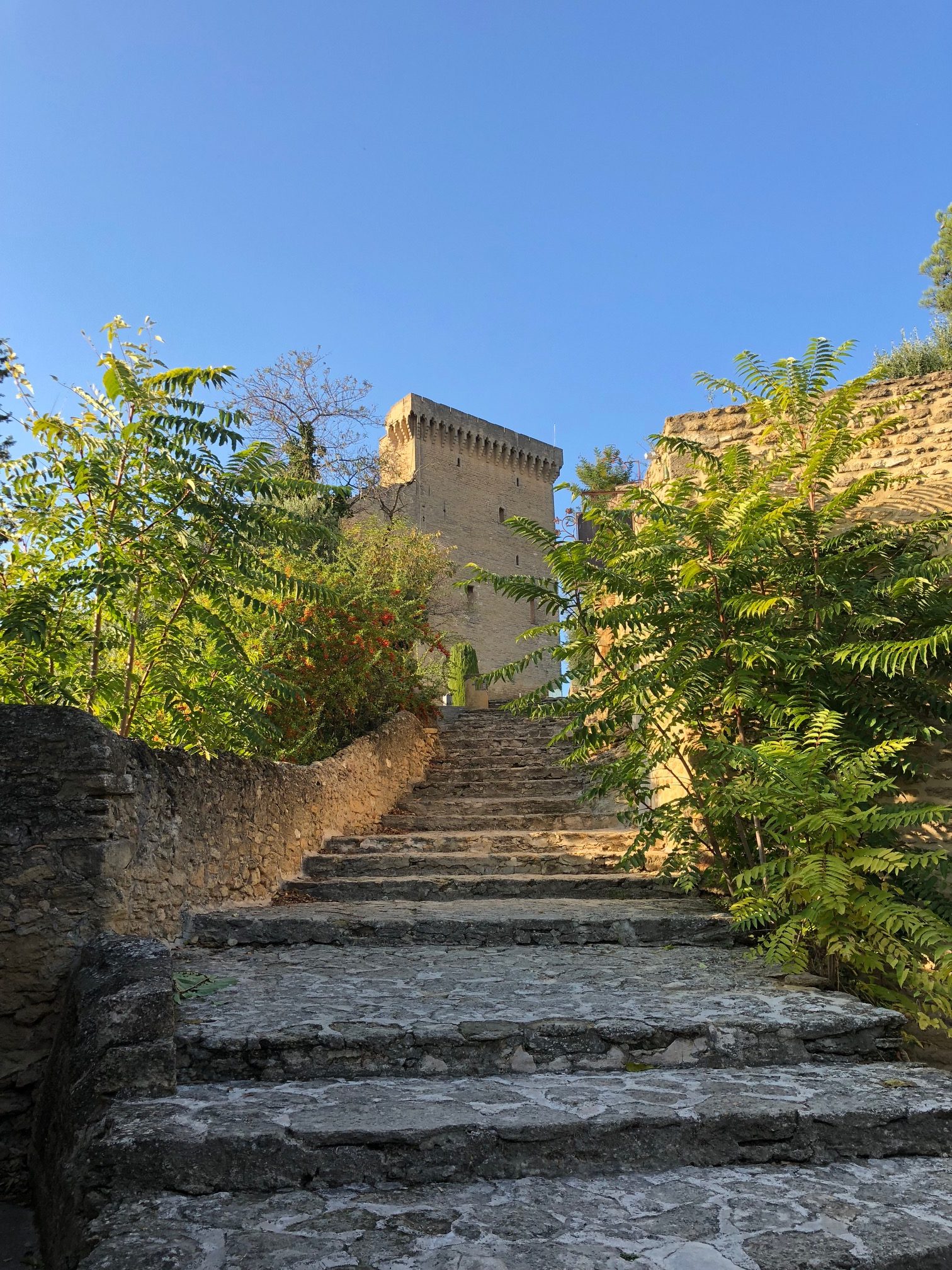
My time in Châteauneuf-du-Pape was brief, but a priority was to visit the Pope’s Castle ruins. While walking up to see the ruins, I came upon Église Notre-Dame-de-l’Assomption, originally built in the 11th century. The church is beautiful and its tower bells still ring throughout the village at each hour.
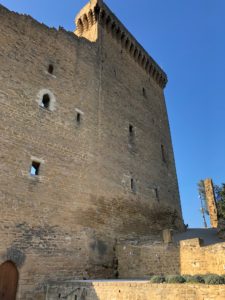
All that remains of the Pope’s Castle are its ruins. The ruins sit high above the village, and as I walked through them and looked down upon the village and off toward the Rhône River, the City of Avignon, and the valley in the distance, I was overcome with appreciation for the journey back in time this pilgrimage will afford.


Today after everyone arrived, we traveled from Toulouse to our hotel in Couiza. Tomorrow we begin exploring the area and learning about its place in history for St. Dominic. I cannot wait.
President Marc M. Camille, Ed.D., will write regular reflections during his week-long pilgrimage to Fanjeaux, France, with other Dominican college presidents. Fanjeaux is the area where, eight centuries ago, the Dominican Order was founded by Dominic de Guzmán, or St. Dominic as he is known today. This pilgrimage is a unique opportunity to visit and experience a number of the historical sites where St. Dominic spent considerable time leading up to and after the founding of the Order.