The Reality Behind Maternal Health Disparities
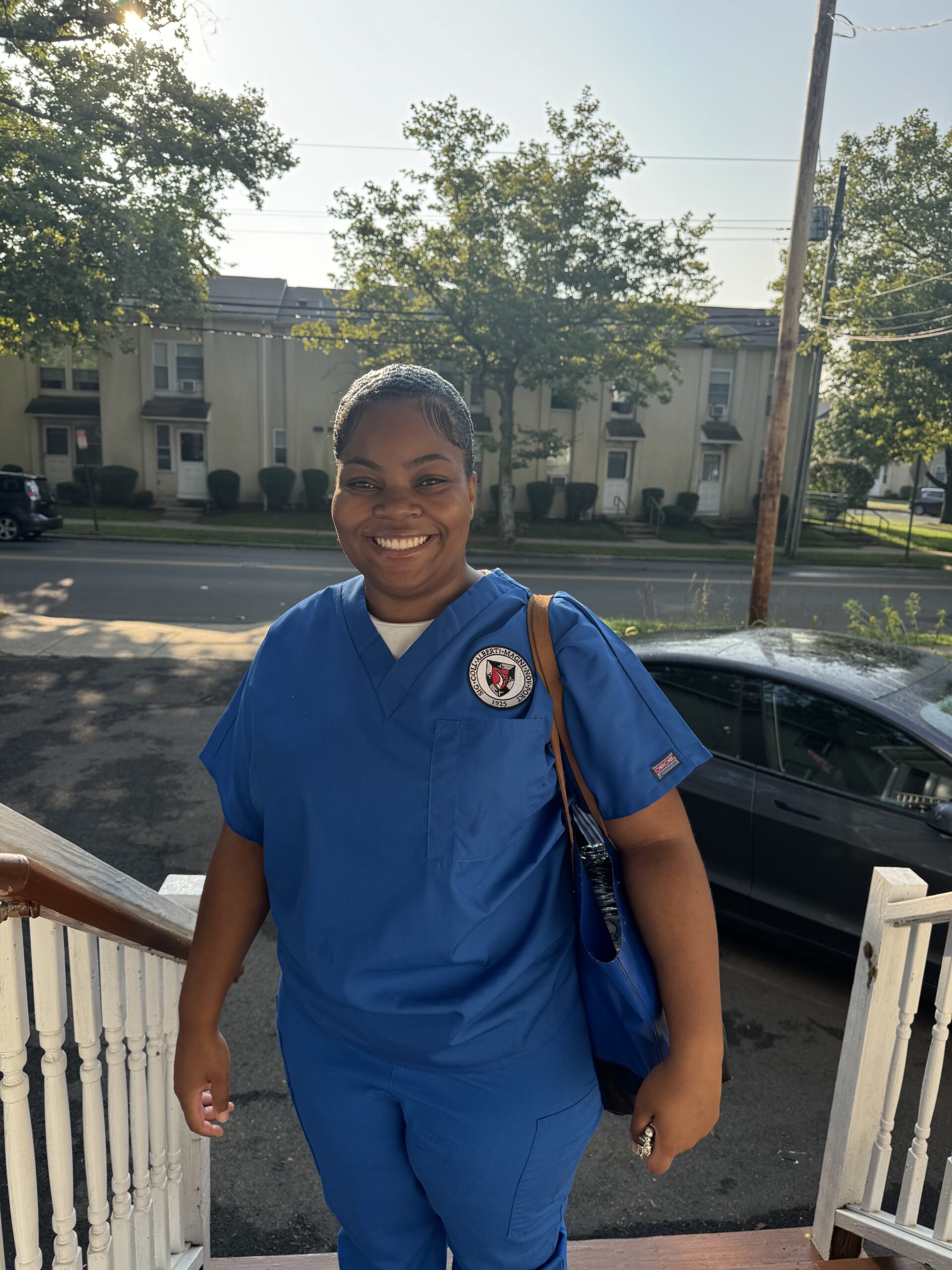
Contributed by: Anika S. Callum ’27, BS Nursing
As a nursing student, much of the learning around maternal health happens through
textbooks, lectures, and clinical experiences. When the Water Breaks builds on that foundation by
centering Black maternal health in Waterbury and highlighting the realities and disparities that
exist within the community. The issues presented in the film are not isolated or limited by city
lines, but instead reflect a broader statewide and national crisis. Being part of this work and
helping bring the documentary to campus has added a deeper level of understanding that extends
beyond what can be learned in the classroom alone.
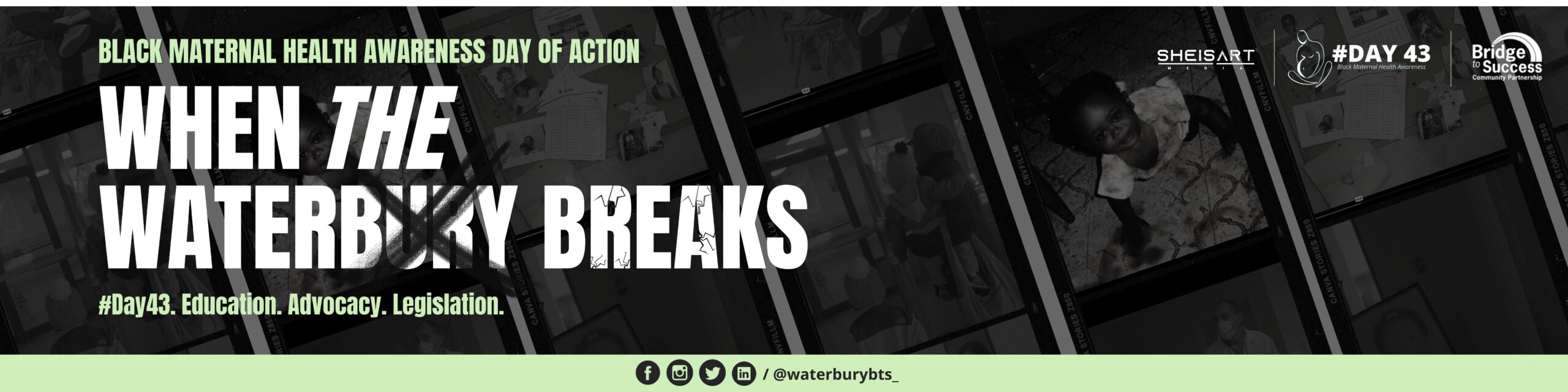
One of the most powerful aspects of When the Water Breaks is how it combines data with
lived experiences. The film incorporates statistics that highlight disparities in maternal health
outcomes for Black women during pregnancy and childbirth, while also centering the voices of
those directly impacted. In addition, it brings in perspectives from healthcare professionals,
community leaders, and advocates who are actively working to address these inequities. That
balance between research and lived experience strengthens the film’s impact. This experience
also encourages a more critical understanding of the role future nurses play, not only in providing
clinical care, but in advocating for patients when their concerns are dismissed and recognizing
the systemic barriers that shape health outcomes.
This screening is more than just an opportunity to watch a film. It’s a chance to engage in
important conversations about equity, bias, and accountability in healthcare. It challenges us,
especially as students, to reflect on how we can contribute to change within our own practice and
communities. Bringing this film to campus is about creating that connection between what we
learn in the classroom and what is happening in real life. It’s about understanding that maternal
health outcomes are shaped by more than just medical interventions. They are influenced by
access, support, and the way patients are treated within the healthcare system.
I hope this event encourages others to not only learn, but to listen, reflect, and take action.
Improving maternal health outcomes starts with awareness, but it requires commitment to truly
make a difference.